8 mins. read



| Earning credit card cashback on your LRT-2 rides turns a daily chore into a measurable financial asset. |
|
The Light Rail Transit Line 2 (LRT-2) moved over 58 million passengers in 2025. Millions of these riders still queue daily to pay their fares in cash or coins. If you’re one of those who stick to this traditional routine, you are missing out on thousands of points and credit card cashback.
The recent shift toward EMV tap-to-pay systems has now turned a daily chore into an automated reward generator—whether you use it at the gate or via card-linked loads.
The real advantage of using a rewards card on your LRT commute, beyond saving a few minutes in line, is seamless monthly budget tracking and tangible financial returns. This guide will walk you through why transit micro-transactions should be treated as a steady investment and how to structure them to maximize everyday rewards.
How to Maximize Credit Card Cashback on LRT-2 Micro-Transactions
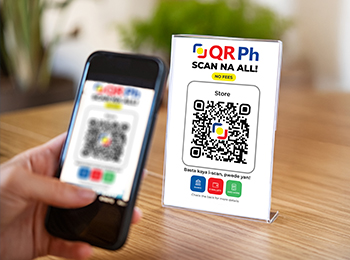
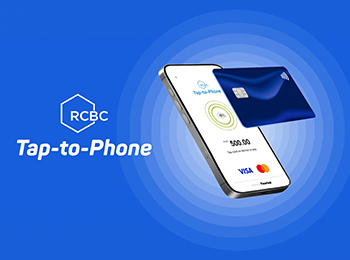
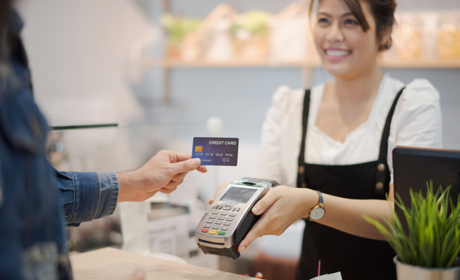
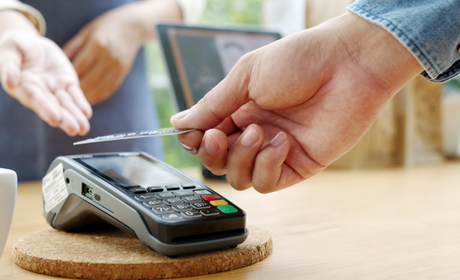
With the recent rollout of Tap or Scan to Ride, powered by RCBC, contactless payment is easier than ever. Simply use your existing card at the turnstile to instantly turn a basic commute into a financial advantage. By strategically organizing your transit fare, you build steady returns over the year.
Calculate your annual points and cashback yields
Small daily fares add up fast. Consider this basic commuter math: A ₱66 round-trip fare multiplied across 260 workdays means ₱17,160 in annual spending. When you pay cash, those pesos are gone forever. But move that ₱17,160 to an eligible card, and it helps you hit thresholds for annual fee waivers, shopping vouchers, or cashback.
Choose credit card reward structures that best fit you
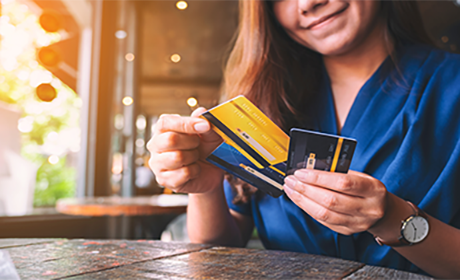
To get the most out of that transit volume, you need a card that recognizes and rewards everyday spending. Look for offers that accelerate points on transportation and retail shops near stations. The RCBC Flex Visa lets you select two preferred categories—such as Transportation and Dining—to earn double credit card rewards.
If you prefer a simpler approach, the RCBC Gold Mastercard offers non-expiring points on all your micro-transactions, ensuring your daily taps slowly build a reliable reward balance.
Automate expense management with digital banking
Manually tracking small fares is tedious and creates budgeting blind spots. Digital mobile banking apps remove the guesswork. When you use your card at the LRT-2, apps like RCBC Pulz log it in real time. Replace manual spreadsheets with automated, categorized statements so you can easily review your transit spending and set limits to prevent overspending.
If you want to stop losing track of commuting costs, an RCBC credit card provides the built-in tracking to help you manage every tap. Explore the options that fit your routine.
5 Ways to Stack Merchant Discounts and Ensure Contactless Payment Safety
Stretch your commuting budget by using the commercial hubs around your stops. With Tap or Scan to Ride, your eligible RCBC credit cards serve as your ticket to the train and your pass to partner merchant perks.
- Find station-adjacent retail spending promosThe LRT-2 line connects several prime commercial areas. Araneta Center-Cubao station drops you off at Gateway Mall, while Katipunan station is the gateway to UP Town Center. These locations are packed with retail partners and dining spots that run exclusive promos for cardholders. Know where these hubs are so you can plan your spending around your route.
- Combine train fare rewards with merchant discountsFinancial experts call this strategy "reward stacking." You first earn points on your base train fare at the station gate. Next, you use the same card at a station-adjacent merchant for your morning coffee or post-work dinner. This turns a single commute into multiple reward opportunities without changing your normal daily spending.
- Apply micro-transaction threshold strategiesMake sure every tap counts toward your financial goals. Many reward structures require a minimum spend, such as 1 point=₱50. If your one-way fare is ₱30, a single tap might not trigger a reward point. Instead, you can aggregate small purchases by loading a stored-value card with ₱500 using your credit card. This simple step guarantees maximum point extraction.
- Keep your cards safe during rush hourMetro Manila trains get notoriously crowded. Protect your EMV cards from accidental scans in a packed LRT-2 car by keeping them securely inside an RFID-blocking sleeve. Only take it out when you tap to pay at the terminal.
- Get the app for additional card securityModern digital security gives you complete control over your accounts. The RCBC Pulz app includes a lock-and-unlock function that temporarily freezes your card if you misplace it during a hectic rush hour. Also, turn on SMS or push notifications for every LRT-2 transaction to monitor your spending in real time and catch unusual activity immediately.
Make Your Daily Commute Pay for Itself
Shifting your daily transit fare from cash to a contactless payment is a zero-effort, passive savings strategy. Over a year, redirecting these micro-transactions yields huge financial returns without changing much of your daily routine or spending.
To perfectly match the commuter lifestyle, the RCBC Flex Visa offers double points on transportation and dining, while the RCBC Gold Mastercard secures premium, non-expiring lifestyle rewards. Explore the available card options to find the one that fits your routine.
Don’t let your transit expenses go unrewarded! Apply online for an RCBC credit card today to automate your savings and upgrade your daily ride. Bookmark the RCBC promos page to stay updated on the latest transit-hub deals.













.png)
.png)






.jpg)
.jpg)
.jpg)

.jpg)

.jpg)



.jpg)
 (1).jpg)
 (1).jpg)
 (1).jpg)

.jpg)
 (1).jpg)
 (2) (1).jpg)
 (2) (1).jpg)
.jpg)
 (1).jpg)
 (1).jpg)
 (1).jpg)
 (1).jpg)


.jpg)
.jpg)
.jpg)
.jpg)
.jpg)
.jpg)


.jpg)
.jpg)
.jpg)
.jpg)
.jpg)
.jpg)

.jpg)
 (1).jpg)

.jpg)
.jpg)
.jpg)

.jpg)
.jpg)
.jpg)



.jpg)