NFC vs Traditional Card Payments: What Actually Changes When You Tap
 8 mins. read


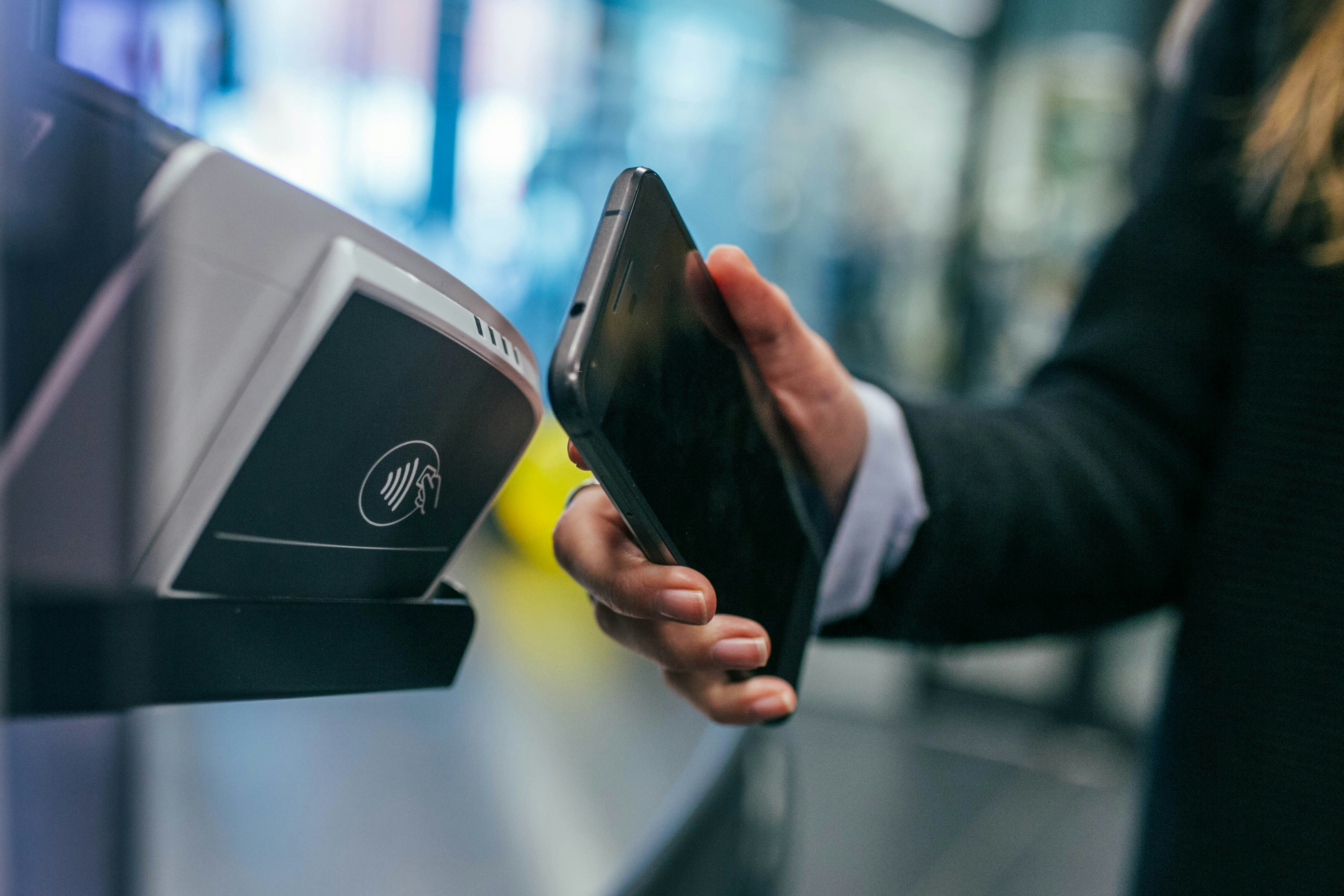
| NFC for credit cards enables instant, wireless transactions by tapping your card near a terminal. It differs from traditional cards by prioritizing speed, reducing physical wear, and using encrypted digital tokens. |
|
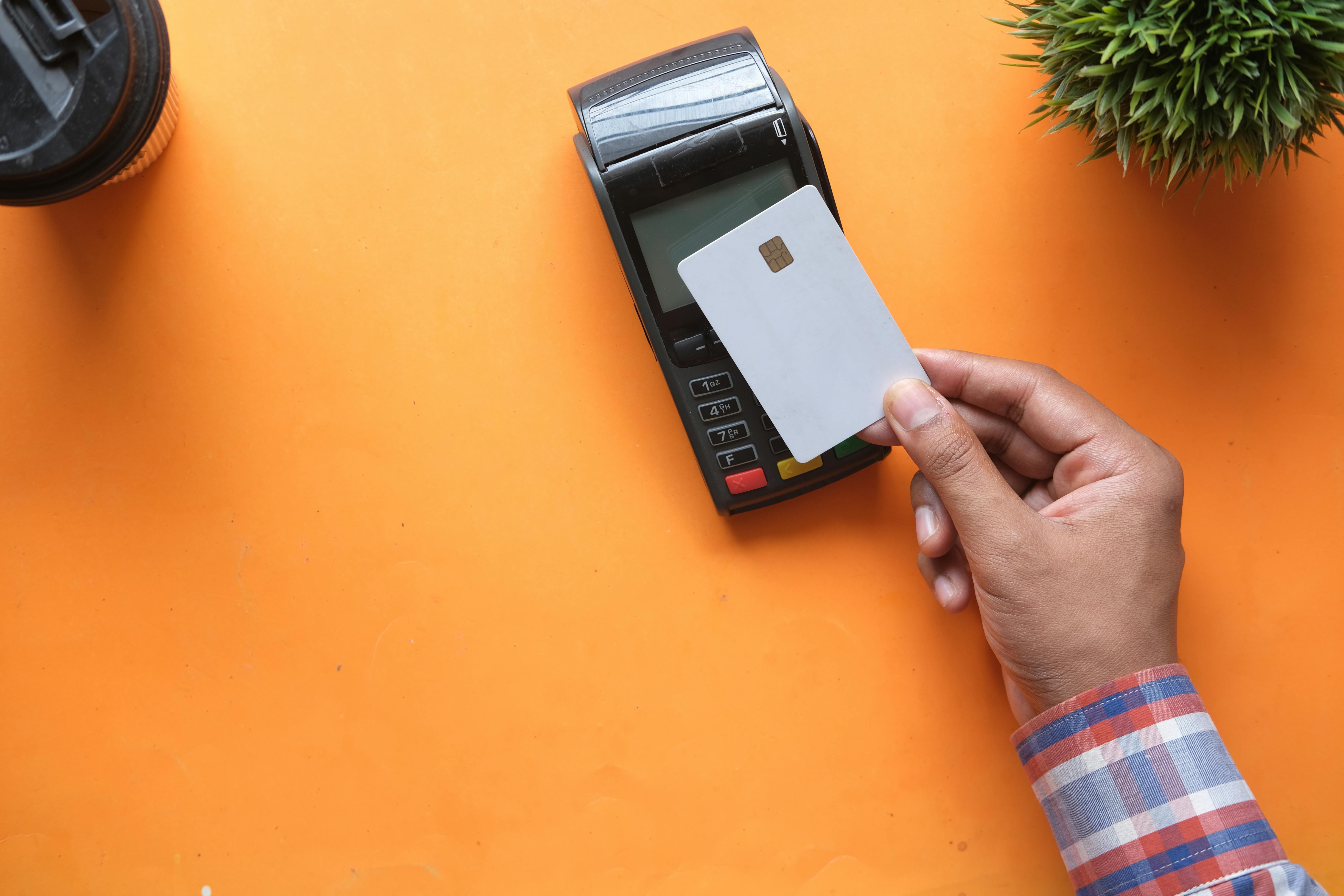
This blog examines what actually changes when you move from traditional card payments to contactless, from transaction speed and security layers to infrastructure, fees, and user behavior. To understand why this shift matters, we must first look at the invisible radio waves that make it possible.
What Is NFC Technology?
NFC, or Near Field Communication, is a short-range wireless connectivity standard that allows devices to exchange data within a distance of about four centimeters. It operates on a specific radio frequency of 13.56 MHz, creating a secure bridge between your card and a payment terminal.
The technology works through electromagnetic induction. When an NFC credit card is held near a powered reader, the reader’s magnetic field creates an electric current within the card's internal antenna. This powers a tiny chip that transmits payment data instantly. Unlike Bluetooth, which requires a manual pairing process, NFC connects automatically the moment devices enter the required range.
This makes it an ideal solution for high-traffic environments where every second counts. Because it functions over such a short distance, it inherently prevents accidental connections with other nearby devices, adding a natural layer of physical security to every interaction.
Benefits of NFC for Credit Cards
Adopting NFC for credit cards provides a suite of advantages that streamline daily life. Beyond the simple "cool factor" of tapping a card, the tech addresses long-standing pain points found in older banking methods.
- Fast, tap-based interaction
The most immediate perk is the elimination of the "wait time." Traditional chip cards require several seconds to "handshake" with the terminal while inserted. NFC cuts this down to a fraction of a second, allowing queues to move faster. - Contactless payments
By removing the need to hand your card to a cashier or slide it through a communal reader, you maintain total control of your plastic. This minimizes the risk of someone skimming your card details visually or through a hidden reader. - Secure transactions
NFC uses "tokenization" Instead of sending your actual card number, it sends a one-time code. If a hacker intercepted this code, it would be useless for any future purchases, making it far safer than magnetic stripes. - Quick data sharing
NFC isn't just for money. The same technology allows for the rapid exchange of contact information or digital business cards with a simple tap against a smartphone, bridging the gap between physical and digital networking. - No pairing required
Unlike other wireless protocols, NFC is "always ready." There are no menus to navigate and no passcodes to enter to establish a connection. The proximity itself acts as the trigger for the data transfer. - Low power consumption
The chip inside a credit card doesn't need a battery. It draws the tiny amount of power it needs from the terminal itself. This ensures your card remains functional for years without ever needing a recharge. - Works without internet
While the terminal needs a connection to verify the bank balance, the actual NFC link between the card and the reader does not require Wi-Fi or cellular data. This makes it reliable in remote locations or basement shops. - Supports automation via tags
NFC tech can be embedded in small stickers or tags. You can program these to trigger specific actions on your phone, such as turning on "Do Not Disturb" mode when you tap your phone on your bedside table. - Compact and widely integrated
Because the hardware is essentially a thin wire antenna and a microscopic chip, it fits into cards, watches, and rings. This versatility allows you to leave your wallet at home and pay with a wearable device. - Versatile use cases (payments, access, transit)
One card can serve multiple roles. In many cities, the same NFC card used for groceries can also unlock an office door or pay for a subway fare, centralizing your daily tools into one device.
While both methods move money from point A to point B, the technical execution and user experience vary wildly. Understanding these differences helps consumers make informed choices about their financial habits.
- Speed & transaction time
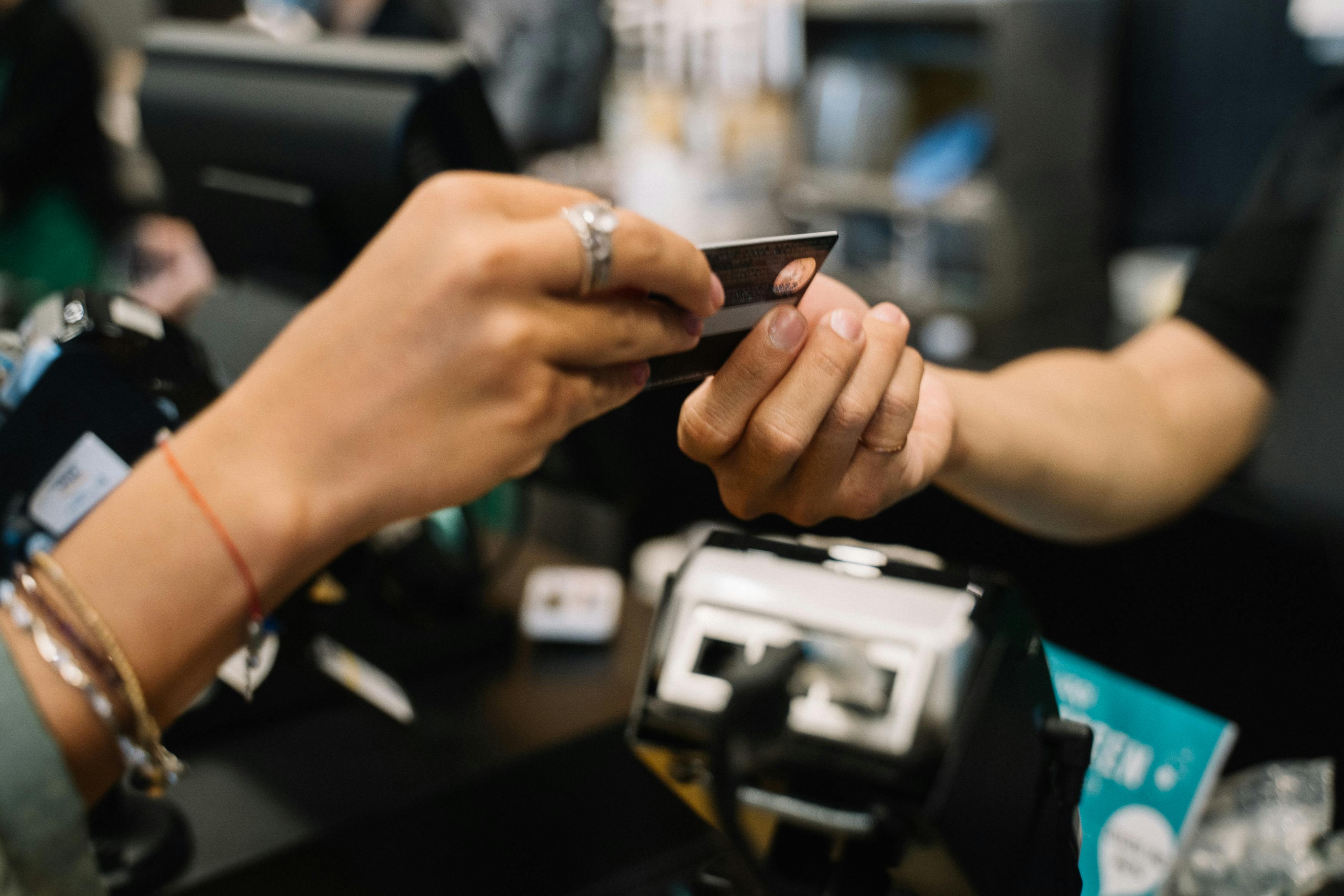
Traditional cards require a multi-step process: swipe or insert, wait for the terminal to read the chip, and often provide a signature or PIN. NFC reduces this to a single gesture. In a busy transit station, for example, a tap-and-go system can process dozens of people in the time it takes one person to swipe a magnetic card. - Convenience & ease of use
NFC wins on ergonomics. There is no "wrong way" to tap, whereas magnetic stripes must be oriented correctly, and chip cards must be inserted in a specific direction. This simplicity is especially helpful for people with limited dexterity or those carrying bags. - Security & fraud risk
Magnetic stripes carry "static" data that is easily cloned with a basic skimmer. NFC transactions generate a unique cryptogram for every sale. Even if a criminal "listens in" on the radio frequency, they cannot use the captured data to manufacture a duplicate card. - Infrastructure & acceptance
Traditional cards have the edge in legacy locations. While NFC is standard in major cities, some rural areas or older vending machines still rely exclusively on the "dip" or "swipe" method. However, global infrastructure is rapidly pivoting toward contactless as the primary standard. - Cost & fees
For the consumer, there is usually no price difference between tapping and swiping. For merchants, however, upgrading to NFC-capable terminals involves an upfront hardware cost, though this is often offset by the reduced risk of fraud-related chargebacks. - Accessibility & inclusion
NFC is a massive win for accessibility. The "tap" gesture is far more intuitive for individuals with visual impairments or motor-skill challenges compared to the precision required to insert a card into a thin slot or sign a cramped receipt. - Reliability & dependency (power/network)
Traditional cards are purely mechanical and work as long as the terminal has power. NFC is similarly robust, but because it relies on a delicate internal antenna, a card that is severely bent or cracked might lose its contactless capability while the physical chip still works. - User experience & friction
Friction is the enemy of a good experience. NFC removes the psychological barrier of "transaction fatigue." The process is so seamless that it feels less like a chore and more like a natural part of the movement through a store. - Record-keeping & tracking
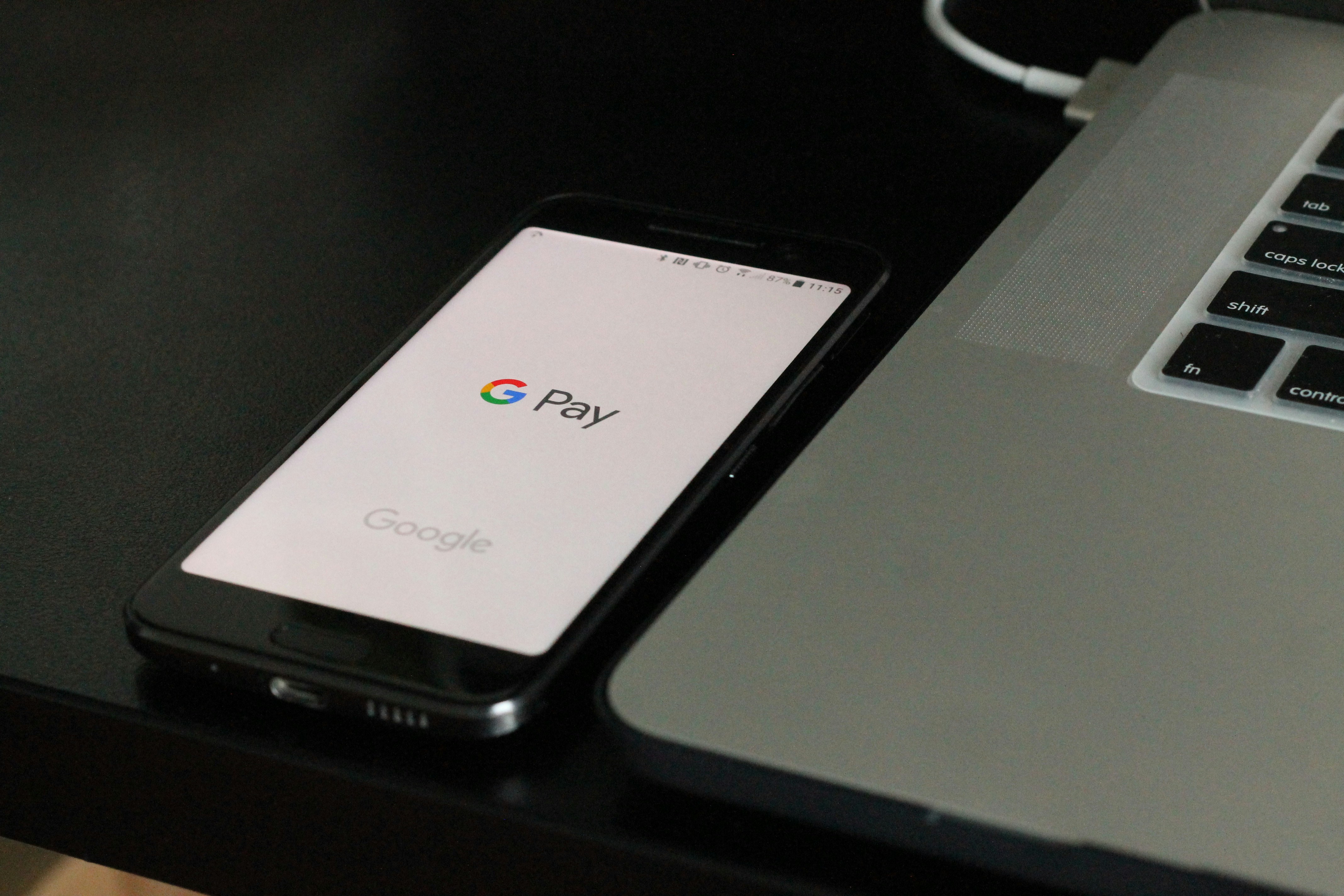
Both methods offer digital statements, but NFC integrated with mobile wallets often provides instant push notifications. The moment you tap, your phone shows the exact amount and location, providing a real-time audit trail that traditional cards lack. - Hygiene & physical contact
In a post-pandemic world, hygiene is a major differentiator. Traditional cards require touching buttons on a keypad or handling a stylus. NFC allows for a completely "hands-off" transaction, keeping your hands clean and avoiding contact with high-touch surfaces.
The Shift from Swipe to Tap
The move from insert or swipe to tap is a practical evolution, not a complete overhaul. Core payment rails remain the same, but execution becomes faster, cleaner, and more streamlined.
For consumers and businesses alike, the real advantage lies in reduced friction at scale without abandoning the systems that already work. Embracing this technology ensures your financial life moves as fast as the world around you.
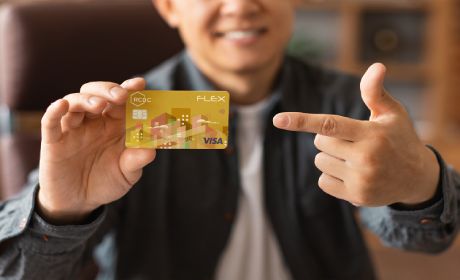
Ready to experience the future of seamless payments? Upgrade your wallet and enjoy world-class perks by applying for an RCBC Credit card today.













.png)
.png)







.jpg)
.jpg)
.jpg)

.jpg)

.jpg)



.jpg)
 (1).jpg)
 (1).jpg)
 (1).jpg)

.jpg)
 (1).jpg)
 (2) (1).jpg)
 (2) (1).jpg)
.jpg)
 (1).jpg)
 (1).jpg)
 (1).jpg)
 (1).jpg)


.jpg)
.jpg)
.jpg)
.jpg)

.jpg)
.jpg)

.jpg)
.jpg)
.jpg)
.jpg)
.jpg)
.jpg)


.jpg)
 (1).jpg)

.jpg)

.jpg)
.jpg)
.jpg)
.jpg)
.jpg)
.jpg)



.jpg)