Beginner's Guide to Credit Card Bills: What to Know & Payment Process
 5 mins. read


| A credit card bill is a monthly summary of your spending and payments that details how much you owe and the deadline for making a successful payment. |
|
For many, credit card bills can feel confusing. Between statements, due dates, and payment options, it's easy to feel lost. But once you understand the basics, managing your credit becomes far less stressful and more affordable.
This guide will explain key concepts and the payment process so you can manage your credit card bill confidently. When you treat your statement as a financial roadmap rather than a confusing document, you can leverage your card as a convenient financial tool. Knowledge is the best defense against high interest rates and hidden costs.
8 Main Parts of Credit Card Bills
Navigating a standard statement from a Philippine bank is easier when you know what to look for. Each section provides useful information about your spending, balances, and due dates, helping you make informed decisions and manage your credit card more effectively. Below are the primary components.
- Statement date
The statement date marks the final day of your current billing cycle. On this specific day, the bank tallies every purchase, payment, and fee you accrued over the past 30 days to create a formal summary. Any transaction made exactly one day after this date won't appear on the current bill but will instead be moved to the following month. - Due date
In the Philippine banking context, the due date is typically set 21 to 25 days after your statement date. This allowance is the absolute deadline for the bank to receive your payment. If the bank doesn't record your payment by this day, you will be hit with a late payment fee, and interest will begin to accrue on any unpaid portion of your credit card balance. - Minimum payment
The minimum payment is the smallest amount the bank requires to keep your account active and avoid late fees. It’s usually calculated as 3% to 5% of your total amount due or a fixed minimum of around ₱500, whichever is higher. Paying only this amount keeps your account in good standing, but most of it goes toward interest, so paying more helps reduce your balance faster and save on interest. - Total balance
This section shows the entire amount you owe as of the statement date. It combines your previous unpaid balance, new purchases made during the month, any cash advances, and any interest or fees from the bank. Paying this full amount by the due date keeps you from ever owing a single centavo in interest. - Interest charges
If you didn't pay your previous credit card bill in full, the bank will apply a finance charge based on the interest rate approved by the Bangko Sentral ng Pilipinas. As of writing, this rate is capped at 4.50% per month. This interest is usually calculated based on your average daily balance, meaning the more you owe throughout the month, the higher the charge will be. - Transaction summary
The transaction summary is a chronological list of every place you used your card during the billing period. It includes the date of purchase, the name of the merchant, and the amount in Philippine Pesos. For international transactions, it'll often show the original currency and the conversion rate the bank used to determine the final peso cost. - Fees
This part of the bill lists non-interest costs such as the annual membership fee, over-limit fees, or cash advance fees. In the Philippines, some banks also charge a multiple payment fee if you pay your bill more than twice within a single billing cycle. Monitoring this section helps you identify where you can save money and change your payment habits. - Available credit
Your available credit is the portion of your total credit limit that you haven't yet used. If you have a ₱100,000 limit and your current balance is ₱20,000, your available credit is ₱80,000. Keeping this number high is beneficial because it shows lenders that you aren't overly reliant on debt to fund your lifestyle.
7 Tips to Properly Manage Credit Card Bills
Managing your money well means more than just paying your bill. With the following steps, you can avoid the cycle of debt and use your credit as a helpful asset for your future.
- Pay more than minimum
You should always strive to pay the total amount due rather than just the minimum. Paying only the minimum amount results in your debt compounding over time, which can lead to a situation where you are paying for old purchases for years. If you can't pay the full balance, paying even a few hundred pesos more than the minimum can significantly reduce the total interest you pay. - Check the statement carefully
Human and system errors can happen at any time. You should compare your actual receipts or digital transaction records against the transaction summary on your bill. If you find a charge you don't recognize, you must report it to the bank immediately to start a dispute process. This habit also helps you spot any recurring subscriptions you forgot to cancel. - Track due date
Missing a payment by even one day can lead to high late fees and the loss of your interest-free grace period. You should set up recurring calendar alerts or mobile banking notifications three (3) to five (5) days before the actual deadline. This way, you have a buffer to ensure the payment clears, especially if you're paying via a third-party app or a different bank. - Monitor spending
A high credit card balance relative to your income can quickly become unmanageable. You should treat your credit card like a debit card, which means you should spend what you already have in your savings account. Checking your banking app weekly instead of waiting for the monthly statement lets you adjust your spending before it exceeds your ability to pay. - Use a payment strategy
If you have multiple cards, decide whether to pay off the one with the highest interest first or the smallest balance. Paying the highest-interest card saves the most money, while clearing the smallest balance provides a motivating sense of progress.
You can also consider converting large purchases into installments or using Unli Installment, giving you flexible ways to manage payments while staying on track toward being debt-free. - Protect your credit score
Your credit score is a reflection of your reliability as a borrower. Banks in the Philippines report your payment behavior to the Credit Information Corporation. When you pay your credit card bill on time and keep your total debt low, you build a positive reputation that makes it easier to secure a loan for a home or car in the future. - Avoid extra fees
You can save thousands of pesos each year by understanding how your credit card works and using its features wisely. Your card’s cash advance feature is available for urgent cash needs, though service fees and immediate interest charges apply. It is also important to monitor your credit limit to prevent over-limit fees and to request an annual fee waiver if you have maintained good standing and a strong payment record with your bank.
Master Your Credit Card Bill with Confidence
Knowing how to read your credit card bill and manage your payments helps you stay organized, avoid fees, and develop solid financial habits. With the right tools, handling monthly statements and due dates becomes simpler and more efficient.
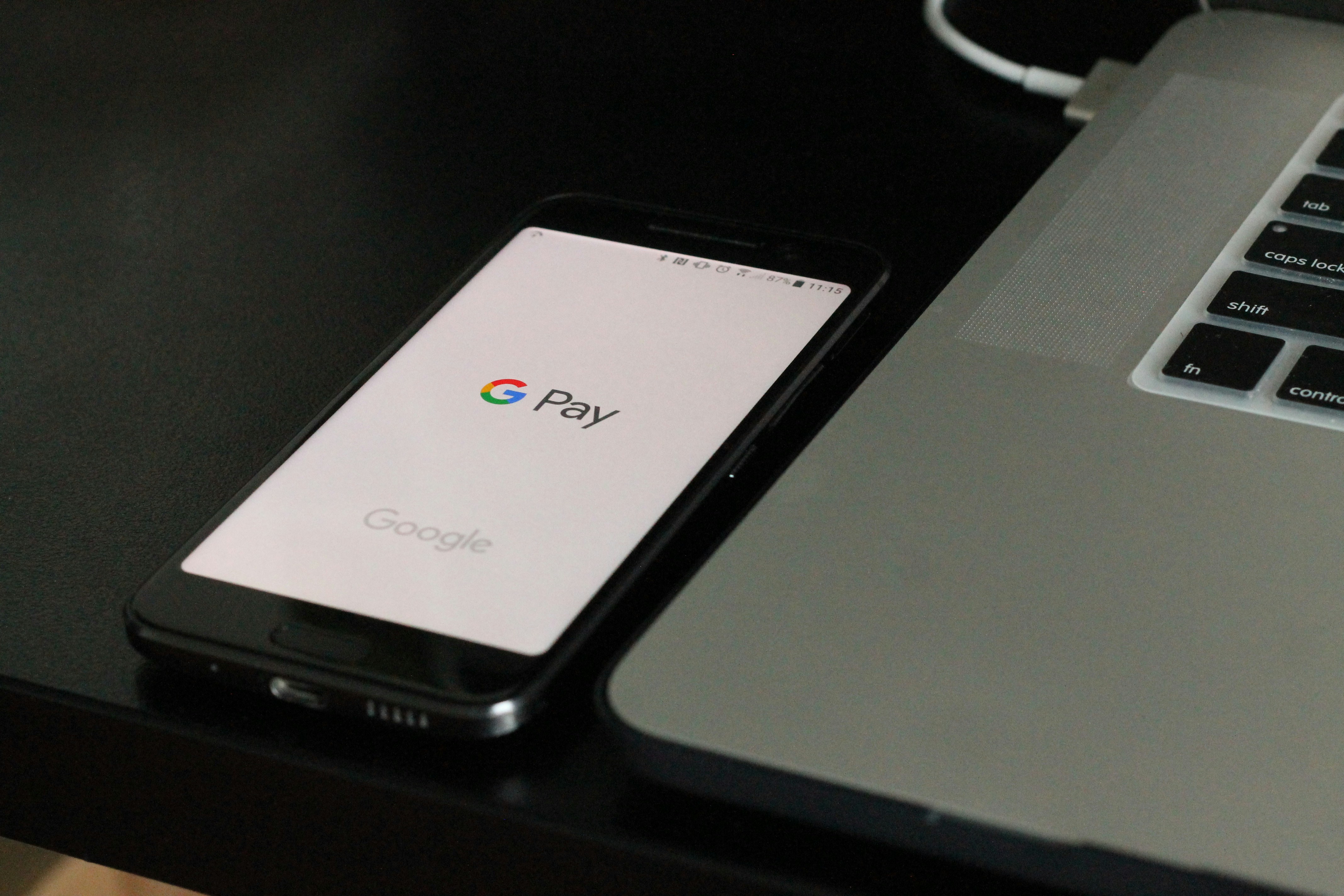
For a practical way to manage and pay your credit card obligations, consider RCBC Credit Cards. You can view your statements and credit card balance online or through the RCBC Pulz app, check due dates and minimum amounts, and use digital payment options that support Google Pay for faster and secure checkouts.
Check out our selection of credit cards today, and for more information, don't hesitate to contact us.













.png)
.png)







.jpg)
.jpg)
.jpg)

.jpg)

.jpg)


.jpg)
 (1).jpg)
 (1).jpg)
 (1).jpg)

.jpg)
 (1).jpg)
 (2) (1).jpg)
 (2) (1).jpg)
.jpg)
 (1).jpg)
 (1).jpg)
 (1).jpg)
 (1).jpg)


.jpg)
.jpg)
.jpg)
.jpg)
.jpg)
.jpg)


.jpg)
.jpg)
.jpg)
.jpg)
.jpg)
.jpg)

.jpg)
 (1).jpg)

.jpg)

.jpg)
.jpg)
.jpg)
.jpg)
.jpg)
.jpg)



.jpg)