8 mins. read



| LRT-2 Tap to Ride makes commuting quicker by letting you pay your fare with an eligible contactless payment method, including your RCBC Credit Card, so you can skip buying tickets and travel more conveniently. |
|
Taking public transportation is becoming more convenient as payment technology continues to improve. Instead of lining up for tickets or carrying a separate transit card, commuters now have more ways to pay for their rides. If you've heard about LRT-2's contactless payment system but aren't sure how it works, understanding the available options can help you prepare before your next trip.
Here's what you need to know about paying your fare with contactless technology and why your RCBC Credit Card can make every commute easier.
LRT-2 Tap to Ride: Accepted Modes of Payment
The LRT-2 contactless fare collection system gives passengers several ways to pay without purchasing a traditional paper ticket. Before your next ride, it's worth knowing which options are accepted and how each one works.
- Contactless Visa and Mastercard credit cards
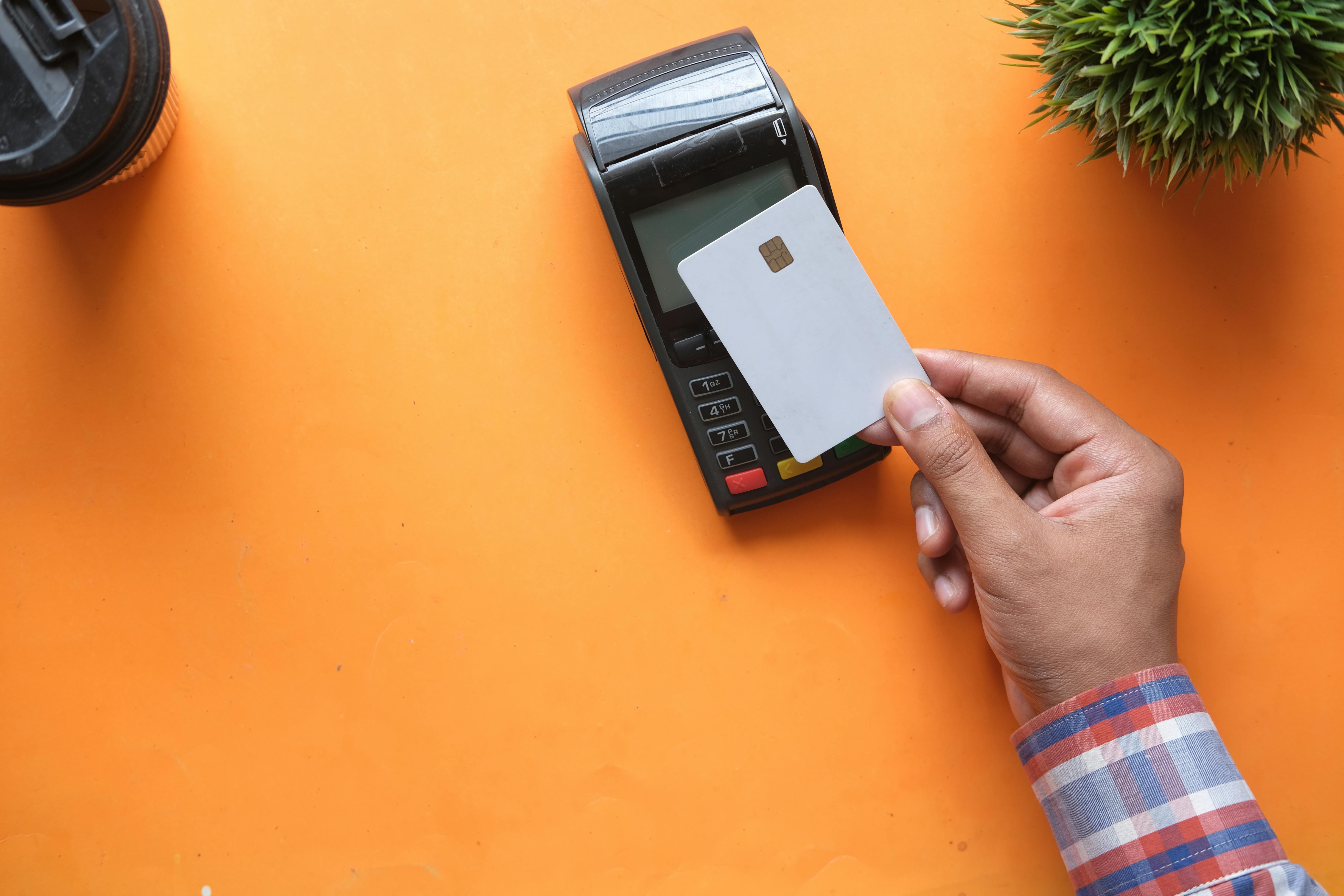
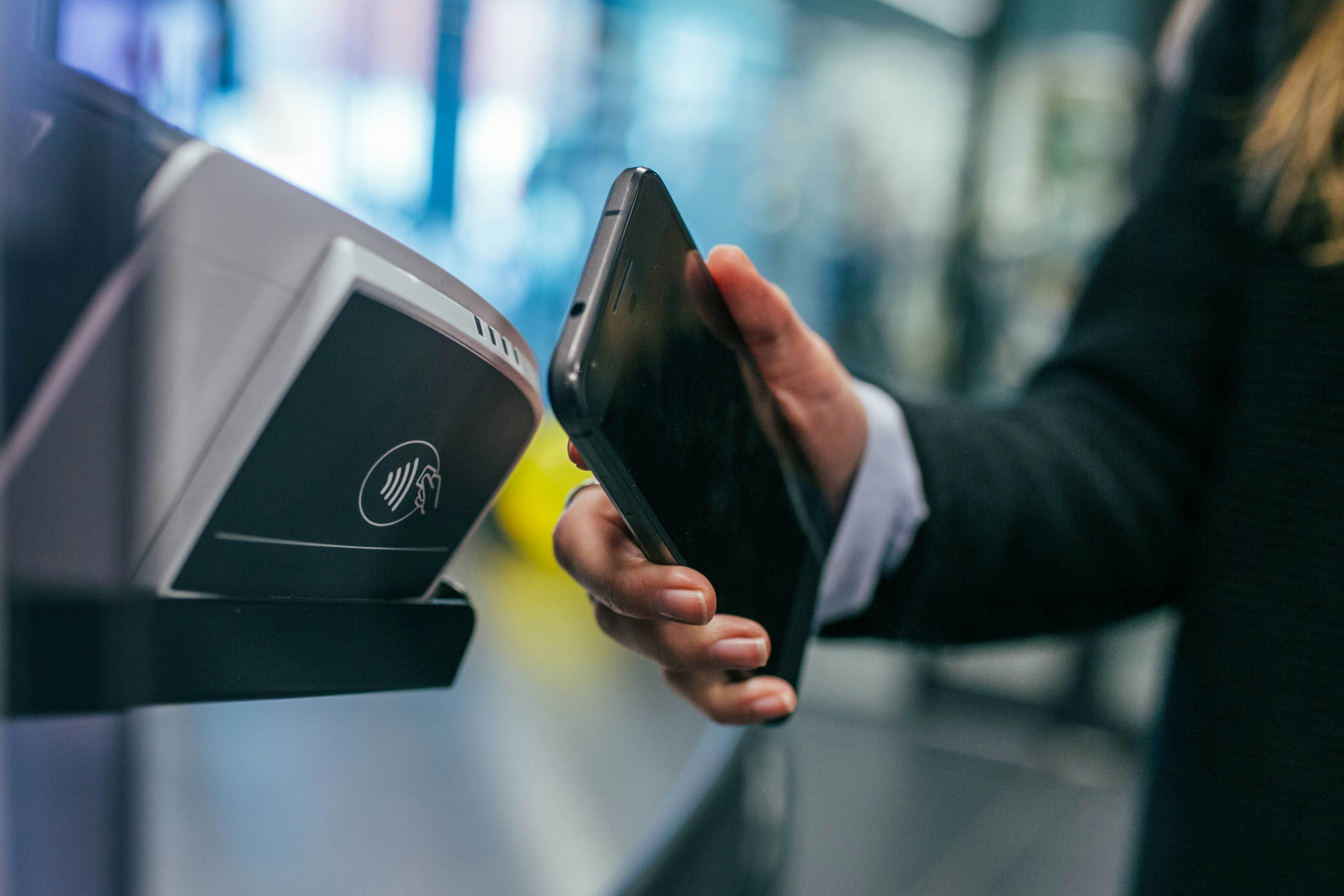
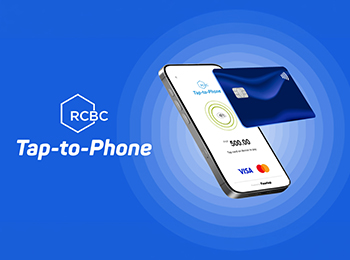
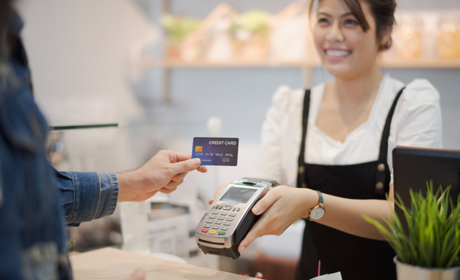
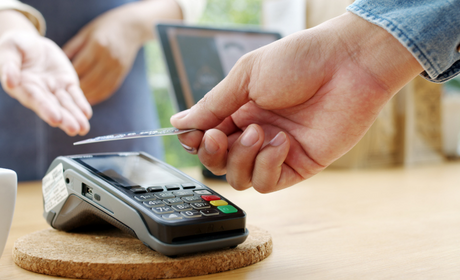
Passengers can pay their fare using eligible contactless Visa and Mastercard credit cards directly at participating LRT-2 gates. Simply tap your card on the designated reader when entering and exiting the station. The system automatically determines the correct fare based on the distance traveled and charges your card accordingly.
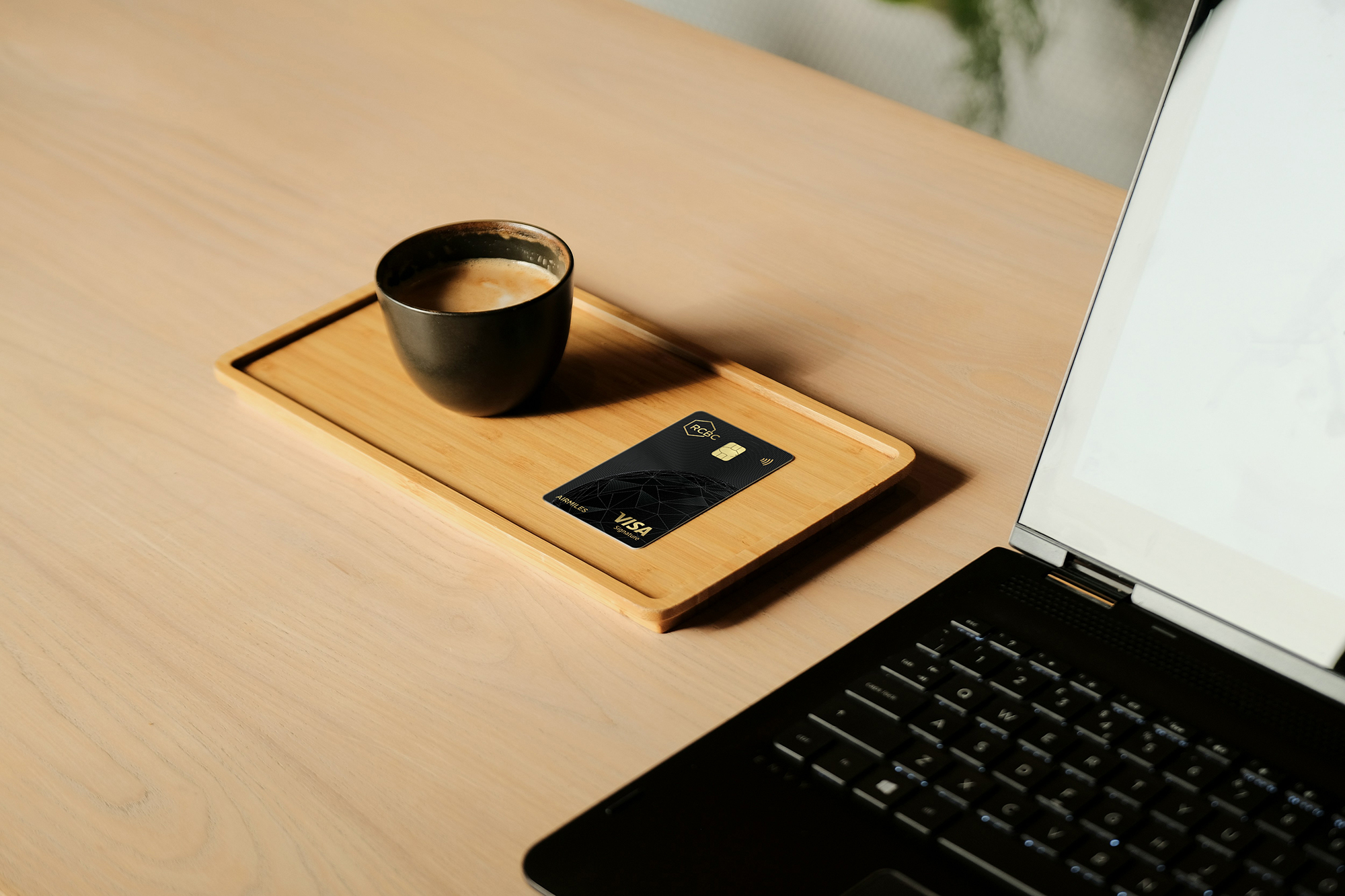
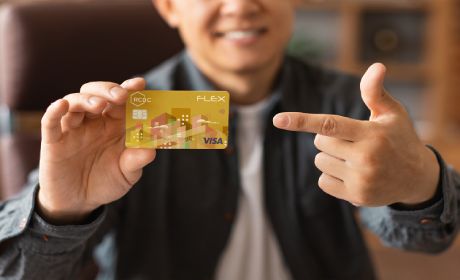
For RCBC cardholders, this means your eligible contactless RCBC Credit Card can double as your transit payment method. Instead of carrying extra cards or preparing cash before every trip, you can use the same card for commuting, shopping, dining, and other everyday purchases.
Not every Visa or Mastercard-branded product is accepted, however. While GCash Cards and GCash Tap to Pay cards carry Visa branding, they are not accepted for Tap to Ride transactions. If you're using GCash, the supported option is GCash Commute QR, which works differently from contactless card payments.
Before traveling, it's also a good idea to check that your credit card displays the contactless symbol and has tap functionality enabled. - Contactless debit cards
Eligible Visa and Mastercard debit cards with contactless capability are also accepted. Like credit cards, these can be tapped at participating station gates without purchasing a separate ticket.
Since the fare is deducted from your linked bank account, commuters should ensure sufficient available funds before starting their journey. This payment method can be especially useful for passengers who prefer using their deposit account for everyday expenses while still enjoying a cashless commute. - NFC-enabled mobile wallets (where supported)
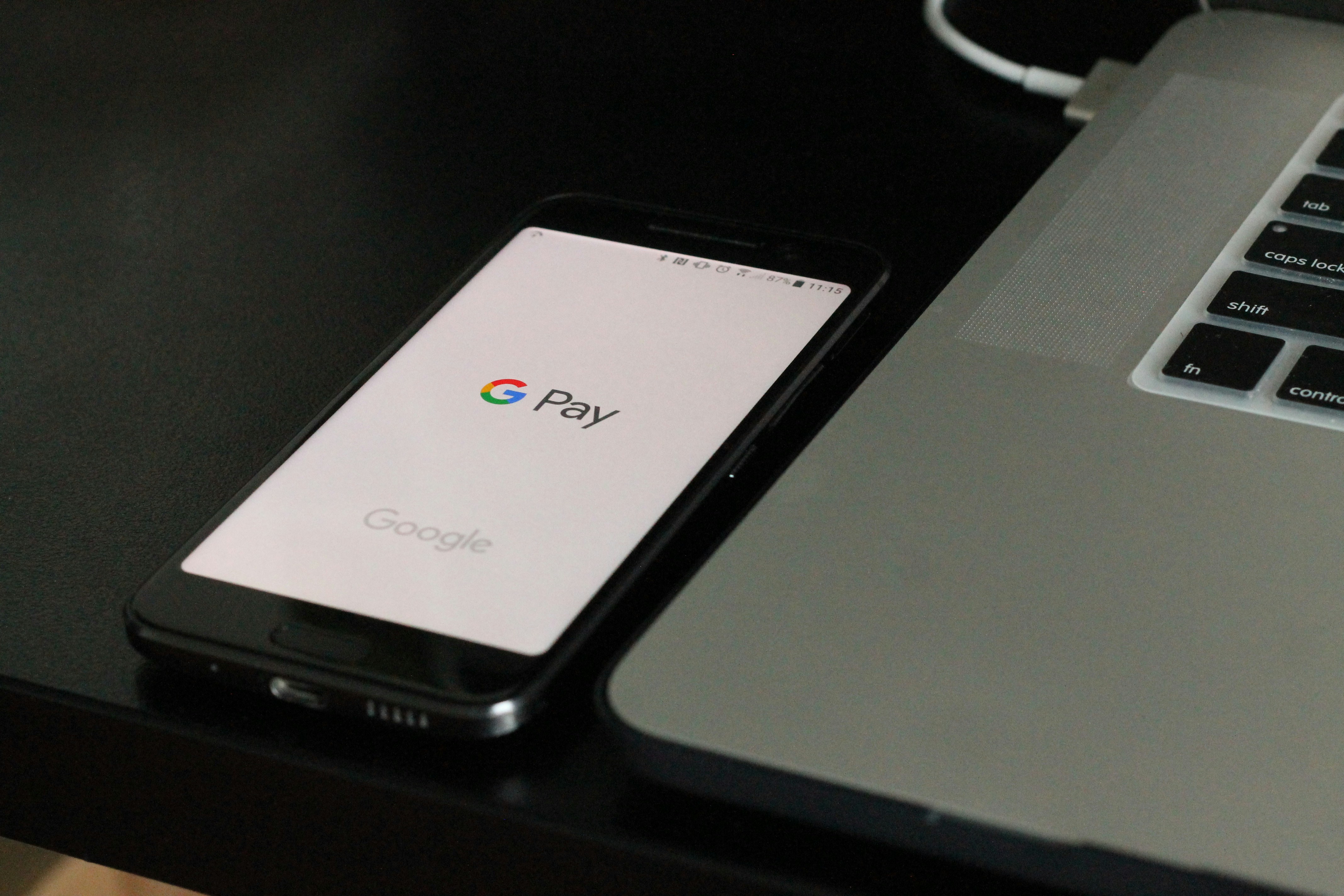
Passengers who use smartphones or wearable devices may also be able to pay through NFC-enabled mobile wallets where supported. These digital wallets securely store eligible payment cards, allowing users to tap their device instead of presenting the physical card.
This option offers added convenience for commuters who already use their phones for contactless purchases. Since the payment credentials are tokenized, the actual card number is not shared during the transaction, adding another layer of security.
Availability depends on device compatibility, supported mobile wallet services, and whether the linked payment card is eligible for contactless transit payments. - GCash Commute QR (if applicable at participating gates)
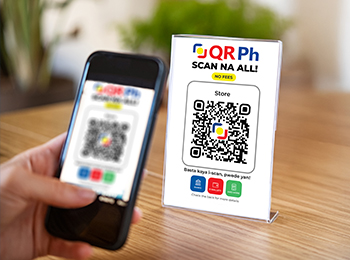
For passengers who prefer using GCash, Commute QR provides another cashless payment option at participating LRT-2 stations. Instead of tapping a card, commuters generate a QR code within the GCash app and scan it at compatible fare gates.
This option is different from Tap to Ride card payments. As mentioned earlier, GCash Cards and GCash Tap to Pay cards are not accepted for direct contactless entry. Only GCash Commute QR is supported where the feature is available. QR payments can be a practical alternative for commuters who primarily use digital wallets but still want to avoid carrying cash or purchasing single journey tickets.
Benefits of LRT-2 Scan to Ride
As more commuters embrace cashless payments, transit systems are evolving to make every trip simpler and more efficient. The Scan to Ride or Tap to Ride features available at participating LRT-2 stations reduce the need for traditional ticket purchases while giving passengers greater flexibility in how they pay.
1. Faster boarding
One of the biggest advantages of contactless fare payments is spending less time at the station entrance. Instead of stopping to purchase a single journey ticket or reload a transit card, you simply tap your eligible payment card or scan your supported QR code at the fare gate.
This streamlined process helps reduce queues, particularly during rush hour when large numbers of commuters are entering the station at the same time. Less waiting at ticket counters also means a smoother experience for everyone using the system.
For regular commuters, even saving a minute or two each trip can make a noticeable difference over weeks and months of daily travel.
2. Cashless payments
Carrying cash isn't always convenient. You may not have the exact fare, or you might need to line up just to buy a ticket before entering the platform.With contactless payments, your fare is processed electronically, eliminating the need for physical cash. Eligible credit cards, debit cards, mobile wallets, and supported QR payment methods give commuters more flexibility in choosing how they pay.
Using a cashless payment method also helps minimize the hassle of looking for an ATM or breaking large bills before your commute.
3. No ticket purchases
Buying a paper ticket every time you ride may seem like a small task, but it quickly becomes repetitive for frequent passengers.
With Tap to Ride, there's no need to visit a ticket vending machine before every trip. Instead, your payment method serves as your access to the station. Simply tap your eligible card or scan your supported QR code, and you're ready to board.
Besides making the commute more convenient, reducing paper ticket usage also supports efforts to modernize fare collection and minimize unnecessary waste.
4. No transit card required
Many commuters are familiar with carrying a separate stored-value transit card, remembering to bring it every day, and checking whether it still has enough balance before traveling.
Tap to Ride removes much of that inconvenience. If you already have an eligible contactless payment card, you don't necessarily need another card dedicated solely to commuting.
This is especially useful for occasional riders who may not use public transportation often enough to justify maintaining a separate transit card.
Tourists visiting Metro Manila can also benefit from this feature because they can pay with supported contactless cards instead of purchasing a local reloadable transit card for only a few trips.
5. Automatic fare calculation
Instead of selecting your destination or estimating your fare before boarding, the system calculates your travel cost automatically.
After tapping your payment method when entering and exiting the station, the fare collection system determines the correct amount based on the distance you traveled. This reduces the chances of paying the wrong fare or making mistakes during the transaction.
Automatic fare calculation also creates a more seamless experience because commuters can focus on reaching their destination instead of worrying about fare computations.
6. Secure transactions
Security is an important consideration whenever electronic payments are involved. Fortunately, contactless transit payments rely on EMV technology, which is widely used for secure card transactions worldwide.
EMV-enabled cards generate unique transaction data that helps protect payment information during each purchase. Many mobile wallets also use tokenization, replacing sensitive card details with encrypted digital credentials when processing payments.
As with any payment method, commuters should keep their cards and mobile devices secure. If a card is lost or stolen, it should be reported to the issuing bank immediately.
7. Convenient for tourists and occasional riders
Not everyone rides LRT-2 every day. Some passengers only use the train when attending an event, exploring Metro Manila, or visiting family and friends.
For these riders, Tap to Ride offers a convenient alternative to purchasing and managing a transit card they may rarely use. An eligible contactless payment card or supported digital payment option is often all that's needed to access participating stations.
The simplified payment process also makes public transportation more approachable for first-time riders who may be unfamiliar with local ticketing procedures.
8. Supports multiple payment methods
Different commuters have different payment preferences. Some prefer using credit cards for rewards, while others rely on debit cards or digital wallets for everyday purchases.
LRT-2's contactless fare collection system accommodates several supported payment methods, giving passengers the flexibility to choose what works best for them. This makes commuting more accessible without forcing everyone to use a single payment option.
For RCBC Credit Card holders, this flexibility means your everyday payment card can also serve as your transit payment method, allowing you to move from commuting to shopping, dining, or running errands without switching between multiple cards.
8 Reasons to Use Your RCBC Credit Card for LRT-2 Scan to Ride Payments
Using Tap to Ride is already a convenient way to pay for your commute, but pairing it with an eligible RCBC Credit Card makes the experience even more seamless. Instead of juggling multiple payment methods throughout the day, you can rely on one card for your train fare and everyday purchases. Here are several reasons why it makes sense to use your RCBC Credit Card for your next LRT-2 trip.
- No transit card to carry
A dedicated transit card is helpful for frequent commuters, but it's also one more item to keep track of. Forgetting it at home or leaving it in another bag can disrupt your commute before it even begins.
With an eligible RCBC Credit Card, your payment card becomes your transit card. Simply tap it at participating LRT-2 fare gates to start and end your journey. This reduces the number of cards you need to carry while keeping your wallet organized.
It's a practical solution for commuters who prefer to travel light and keep everyday essentials to a minimum. - No reloading required
Traditional stored-value transit cards require regular top-ups. Running out of balance before boarding means stopping at a ticket machine or reload station, which can add unnecessary delays, especially during busy hours.
Using your RCBC Credit Card eliminates that extra step. Since the fare is charged directly to your credit card, you don't have to monitor a separate transit balance or remember to reload before your next ride.
This makes commuting more convenient, particularly for people with unpredictable schedules who may not know when they'll need to take the train. - One card for commuting and everyday purchases
Your commute is only one part of your day. After getting off the train, you might grab coffee, buy groceries, pay for lunch, or shop after work.
Instead of carrying separate cards for transportation and daily spending, an eligible RCBC Credit Card lets you use one payment method for multiple purposes. That means fewer cards in your wallet and a more streamlined payment experience wherever contactless payments are accepted.
Having one card for several types of purchases also helps simplify your daily routine. - Easier expense tracking
Keeping track of transportation costs can be challenging when you're paying with cash or using multiple stored-value cards.
When you use your RCBC Credit Card for LRT-2 rides, your transit fares appear alongside your other eligible card transactions on your billing statement or through RCBC's digital banking services. This gives you a clearer picture of your monthly transportation expenses without manually recording every trip.
Whether you're managing a personal budget or simply reviewing your spending habits, having everything in one place makes it easier to monitor where your money goes. - Secure EMV contactless payments
Security matters just as much as convenience. Eligible RCBC Credit Cards use EMV contactless technology, which is designed to help protect payment information during transactions.
Each contactless payment uses advanced security features that help safeguard your card details while allowing transactions to be completed quickly. You also avoid handing your card to another person when paying your fare, adding another layer of convenience.
Combined with the security features already built into RCBC Credit Cards, commuters can enjoy a payment experience that's both simple and reliable. - Convenient for unplanned trips
Not every train ride is scheduled days in advance. Sometimes you decide to take the train because traffic is unusually heavy, your original transportation plans changed, or you simply want a faster way to reach your destination.
With your RCBC Credit Card already in your wallet, you're ready whenever you need to ride. There's no need to check whether a transit card has enough balance or find a place to reload before entering the station.
That flexibility makes Tap to Ride especially useful for commuters whose travel plans often change throughout the day. - Simplified everyday wallet
Many people are looking for ways to reduce what they carry each day. A bulky wallet filled with different payment cards, transit cards, loyalty cards, and cash can quickly become inconvenient.
Using your RCBC Credit Card for commuting helps consolidate one more everyday function into a single card. The fewer separate cards you need, the easier it becomes to stay organized and avoid accidentally leaving something important behind.
It's a small change that can make your daily routine feel more efficient. - Supports a cashless lifestyle
Cashless payments have become increasingly common across restaurants, retail stores, supermarkets, and online shopping platforms. Public transportation is gradually becoming part of that same ecosystem.
By using your RCBC Credit Card for LRT-2 fares, you can maintain a consistent payment experience throughout the day without switching between cash, reloadable cards, and digital wallets.
RCBC Credit Cards also provide access to various deals and promotions that can help cardholders get more value from everyday spending.
For commuters, one of the most exciting offers is the LRT-2 Piso Fare Promo, which lets eligible cardholders enjoy train rides for as low as ₱1 during the promotional period, subject to the promo's terms and conditions. If you regularly travel via LRT-2, this promotion can make your daily commute even more rewarding.
Tap Into a Smarter Commute
Contactless fare payments are reshaping how people move around the city, making train rides quicker, more convenient, and easier to fit into a busy schedule. Knowing which payment methods are accepted before you arrive at the station helps you avoid unnecessary delays and enjoy a smoother commuting experience.
Whether you ride LRT-2 every weekday or only from time to time, using an eligible contactless payment method lets you spend less time buying tickets and more time getting where you need to be.
If you're looking for an even more convenient way to commute, consider using your eligible RCBC Credit Card for Tap to Ride.
With no transit card to reload, secure contactless payments, and the opportunity to enjoy exclusive offers like the LRT-2 Piso Fare Promo, it's a smart companion for both your daily commute and everyday purchases. Learn more about RCBC Credit Cards for LRT-2 Tap to Ride and start making every trip simpler and more rewarding.










.png)
.png)






.jpg)
.jpg)
.jpg)

.jpg)

.jpg)



.jpg)
 (1).jpg)
 (1).jpg)
 (1).jpg)

.jpg)
 (1).jpg)
 (2) (1).jpg)
 (2) (1).jpg)
.jpg)
 (1).jpg)
 (1).jpg)
 (1).jpg)
 (1).jpg)


.jpg)
.jpg)
.jpg)
.jpg)

.jpg)
.jpg)

.jpg)
.jpg)
.jpg)
.jpg)
.jpg)
.jpg)

.jpg)
 (1).jpg)

.jpg)
.jpg)
.jpg)
.jpg)
.jpg)
.jpg)
.jpg)



.jpg)