Why QR Pay in the Philippines Is Safe, Secure, and Becoming the Smartest Way to Pay
 8 mins. read


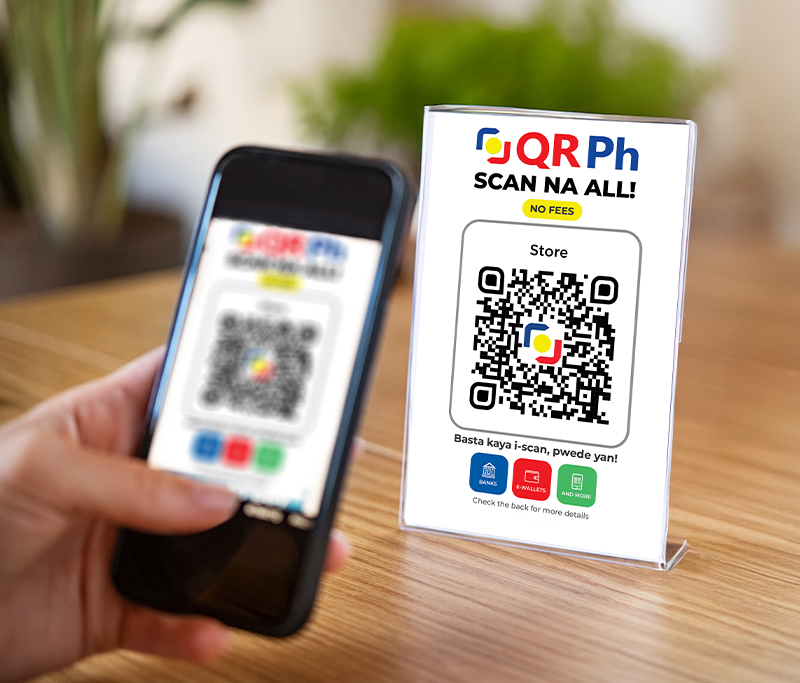
| QR Pay is a contactless digital payment system that utilizes scanned quick response codes to instantly transfer money between consumers and businesses, eliminating the need for physical cash. |
|
Digital payments are steadily replacing cash in everyday transactions across the Philippines, and QR Pay has become one of the most widely adopted methods driving this shift. Built on secure banking standards and regulated payment networks, QR-based transactions reduce the need for physical cash handling while offering real-time verification and encrypted processing.
As consumers and merchants grow more comfortable with cashless systems, QR Pay is emerging not only as a convenient option but also as a trusted and efficient way to manage daily payments in an increasingly digital economy.
Let us dive into the specifics of how this financial tool transforms everyday commerce.
What is QR Pay?
QR pay is a mobile payment framework where a smartphone camera reads a matrix barcode to trigger an immediate, electronic transfer of money between parties. Instead of swiping plastic cards or counting physical bills, the entire exchange relies on these black-and-white square patterns that encode specific transaction details.
The underlying technology translates visual data into processing instructions instantly. When a client scans the barcode using a financial application, the software decodes the merchant’s identification details and the payment amount. The system then routes an authorization request through a secure network, which debits the buyer's account and simultaneously credits the business.
[Customer App] -> Scans QR Code -> [Secure Network] -> [Validates Funds] -> [Instant Merchant Credit]
Enterprises searching for a reliable deployment system can utilize RCBC QR Pay as one of the best QR Pay partners for businesses. This platform provides merchants with versatile payment options by supporting both Static and Dynamic QR codes.
Static variations maintain fixed merchant data and require buyers to type in the payment total manually, making them perfect for smaller counters. Conversely, dynamic variations generate a unique code for every distinct transaction that automatically embeds the exact billing amount, which removes human entry errors entirely during high-volume checkouts.
The Perks of Adopting QR Pay for Businesses
Implementing modern transaction methods allows enterprises to capture shifting consumer preferences while optimizing internal workflows. Transitioning away from traditional billing structures reduces operational friction and unlocks measurable financial advantages across your entire retail footprint.
- Faster checkout and shorter queues
Scanning a barcode takes mere moments, which accelerates counter throughput and prevents long checkout delays during peak operational hours. Traditional cash handling requires cashiers to count bills, check for counterfeit security features, and rummage through the register for exact change.
Plastic cards are not much faster when dealing with dial-up terminals or signature verifications. Matrix barcodes bypass these speed bumps entirely by resolving the financial exchange over cloud servers within seconds, maintaining a continuous flow of shoppers through your storefront. - Lower setup and operational costs
Businesses can bypass the steep rental fees and upkeep expenses linked to traditional point of sale hardware terminals. Traditional electronic data capture machines demand constant maintenance, cellular SIM cards, and specialized paper rolls. Matrix codes remove hardware vulnerabilities from the equation.
A merchant can display a laminated printout or present a code on an existing tablet interface, slashing upfront capital expenditures and ongoing operational overhead for small enterprises and large corporations alike. - Accepts multiple banks and e-wallets
Interoperable frameworks allow a single code to process funds sent from various applications, unifying your payment stream. In the past, retail counters looked chaotic with multiple distinct proprietary terminal stands lining the cash wrap. Interoperable digital code standards collapse this fragmentation into a single node.
Customers using diverse banking software or virtual wallets can scan the exact same matrix pattern, meaning your front-line staff only have to manage one unified collection target. - Easier sales tracking and reconciliation
Digital records eliminate manual ledger entries by automatically logging every successful transaction for effortless review. When a client pays digitally, the system instantly logs the precise timestamp, transaction value, and reference number.
This automation removes the tedious evening task of manually balancing cash drawers against register receipts. Bookkeepers can simply download comprehensive CSV reports directly from their merchant dashboard, matching accounts in a fraction of the usual time. - Reduced cash handling risks
Minimizing physical money on the premises shields staff from losses due to theft, miscounted change, or counterfeit bills. Transporting bags of physical currency to a local bank branch exposes business owners to immense security liabilities.
Keeping large volumes of cash inside the register drawer also creates temptations for internal shrinkage or external robbery. Shifting the revenue stream into digital cloud deposits protects company assets from human counting errors and physical security breaches. - Quick and simple merchant setup
Establish an active payment collection point without waiting for extensive hardware manufacturing or complex terminal wiring. Traditional terminal provisioning often takes weeks of scheduling, technician site visits, and line configurations.
Digital payment networks require no structural renovations or complex cable routing. Once the underwriting team approves the merchant profile, the digital asset is generated immediately, meaning a retail operation can begin accepting modern payments almost instantaneously. - Scalable for multi-branch operations
Corporate management can distribute distinct digital codes across numerous locations to monitor regional revenue from a centralized hub. For expanding retail chains, tracking individual store performance across several provinces is highly complex.
Through deployment of unique location-specific codes, corporate financial officers can view a centralized analytics dashboard to compare different store revenues instantly, allowing for rapid inventory adjustments and responsive business planning. - Matches growing cashless consumer habits
Embracing modern payment avenues satisfies the expectations of tech-savvy shoppers who prefer leaving physical wallets behind. The modern Filipino consumer increasingly leaves the house carrying only a smartphone.
Establishments that insist on cash-only transactions alienate higher-spending demographic groups who simply walk away when they spot a cash-only sign. Providing digital touchpoints modernizes your brand image and ensures you capture every spontaneous purchasing decision.
How Can RCBC QR Pay Help My Business?
RCBC QR Pay allows you to accept payments from a wider variety of mobile banks and e-wallets and helps you to convert cash payments to digital payments. The architecture delivers critical organizational advantages:
❖ Safe & Secured Payments
A contactless payment solution that uses QR Ph, the Philippines’ national QR code standard, and is supported by Bangko Sentral ng Pilipinas. This guarantees that every transaction adheres to strict state encryption protocols.
❖ Faster transactions
Cashless payments. No more tapping, swiping, or signing needed. Shoppers simply scan and complete the exchange in seconds.
Value-added services:
- Real-time or batch automatic crediting of settlement funds to maintain consistent business liquidity.
- Easily monitor real-time transactions via the RCBC Merchant Portal to oversee performance instantly.
- 24/7 Merchant Helpdesk for any merchant’s concerns or requests, ensuring operational hitches are resolved immediately.
Getting Started with QR Pay: Setup Essentials
Transitioning your enterprise toward digital payment acceptance involves a direct, sequential deployment process. Following structured implementation steps guarantees that your digital payment network launches securely and operates smoothly from day one.
- Choose a payment provider or participating bank
Evaluate financial institutions to find an organization that provides robust merchant portal access and competitive processing rates. Businesses must analyze merchant discount rates alongside the reliability of the provider's settlement infrastructure.
Selecting a major financial institution with a strong digital ecosystem ensures that your daily transaction processing faces fewer platform downtimes and technical blackouts. - Register for a merchant account
Submit a formal business application to establish your corporate profile within the provider's financial ecosystem. This process involves filling out detailed corporate registry files that declare the nature of your business, ownership structures, and projected digital transaction volumes.
This formal registration establishes the legal foundation required for high-volume corporate electronic fund processing. - Complete business verification requirements
Provide necessary corporate documentation, including tax certificates and local operating permits, to validate your company's legitimacy. Banks must comply with strict regulatory mandates such as Know Your Customer protocols.
Preparing documents like your SEC or DTI registration certificates, Mayor's business permits, and valid corporate identification ensures that your verification path proceeds smoothly without regulatory pushback. - Generate your official QR code
The selected bank creates your exclusive graphic identity linked directly to your commercial profile. Once the compliance department clears your submission, the bank's processing engine builds a dedicated digital asset unique to your firm.
This matrix image acts as a cryptographic address, guaranteeing that any funds scanned by a consumer find their way into your corporate accounts without detour. - Print or display the QR code at point of sale
Position the physical signage clearly at the checkout counter or present it digitally via a tablet interface. Visibility is absolutely essential for driving consumer adoption.
Placing high-contrast acrylic stands directly next to the cash register ensures customers can prepare their smartphones while waiting their turn, maximizing checkpoint velocity. - Link your settlement or bank account
Route the incoming transaction stream into a designated corporate checking or savings account for seamless fund access. This financial linkage acts as the final destination pipeline for all client payments.
Proper configuration ensures that the daily sales totals accumulate directly into your active operational fund, giving you ready access to capital for inventory replenishment. - Test transactions before going live
Execute minor sample payments with internal devices to confirm that notifications and banking credits trigger correctly. Before exposing the system to the public, managers should run real-time tests using a small amount, such as one peso.
This walkthrough ensures that the merchant portal accurately reflects incoming transfers and that the front-end software communicates perfectly with back-end banking servers. - Train staff on payment handling
Instruct cashiers on how to verify successful transactions on the merchant screen before handing over retail goods. Frontline staff must understand the specific confirmation signals, such as SMS confirmations, portal status changes, or reference numbers.
Training prevents inventory losses caused by customers accidentally closing apps before the banking gateway completes the settlement loop.
How Long is the Application Process?
The processing time of complete applications takes around seven (7) to 10 banking days, including the deployment of RCBC QR Pay. This rapid turnaround allows companies to transform their point of sale environments without suffering extended operational downtime.
No Change? No Problem: Make the Smart Move to QR
For businesses, QR Pay is more than a payment alternative—it is a practical upgrade to how transactions are managed and scaled. By removing the need for costly hardware and streamlining payment acceptance through existing mobile devices, it allows merchants of all sizes to operate more efficiently and serve customers faster.
As digital adoption continues to grow in the Philippines, businesses that integrate QR Pay position themselves for a better customer experience, improved operational efficiency, and stronger participation in the evolving cashless economy.
Embracing this digital evolution means giving your business a friction-free upgrade. When you partner with RCBC QR Pay, you eliminate the need for expensive card terminals and bulky hardware. Instead, you can instantly accept payments from any local bank app or e-wallet using the unified QR Ph standard.
Whether you utilize a simple printed standee or dynamic smartphone codes, you get real-time tracking through the RCBC Merchant Portal, instant fund settlements, and airtight security. Take the next step toward optimizing your checkout experience today—sign up through RCBC QR Pay to launch your streamlined merchant registration.















.png)
.png)








.jpg)
.jpg)
.jpg)

.jpg)

.jpg)



.jpg)
 (1).jpg)
 (1).jpg)
 (1).jpg)

.jpg)
 (1).jpg)
 (2) (1).jpg)
 (2) (1).jpg)
.jpg)
 (1).jpg)
 (1).jpg)
 (1).jpg)
 (1).jpg)


.jpg)
.jpg)
.jpg)
.jpg)

.jpg)
.jpg)


.jpg)
.jpg)
.jpg)
.jpg)
.jpg)
.jpg)


.jpg)
 (1).jpg)

.jpg)

.jpg)
.jpg)
.jpg)
.jpg)
.jpg)
.jpg)



.jpg)