7 Essential Tips to Make Sure Your Travel Agency in the Philippines Is Legit
 5 min. read


_20260317140030000-7e7757b1e12abcb736ab9a754ffb617a.jpg)
| A legit travel agency shows proper registration, clear pricing, and secure payments. Protect your money by verifying credentials and checking transparency before booking. |
|
Booking a trip in the Philippines can be exciting, but not all travel companies operate legally or ethically. Without careful verification, you risk losing money or facing last-minute cancellations.
In this guide, we’ll cover seven practical ways to verify a travel agency’s legitimacy and highlight key red flags to watch out for, so you can confidently plan your trips, secure reliable services, and enjoy worry-free travel.
7 Ways to Identify a Legit Travel Agency and Tours Company
The Philippine travel market attracts both established operators and opportunistic scammers. Following a systematic approach ensures you pick a company that handles bookings professionally and legally.
- Verify government accreditation and licenses
A legitimate travel company should clearly demonstrate compliance with local government regulations. Always look for Department of Tourism (DOT) accreditation in the Philippines, as this confirms that the agency complies with proper operational and safety standards. Additionally, check for necessary municipal permits that indicate lawful presence and local accountability. - Check for business registration with the SEC or DTI
Reputable travel agencies must register their business with the government. Verify their status: they should be registered as a corporation with the Securities and Exchange Commission (SEC) or as a sole proprietorship with the Department of Trade and Industry (DTI). Ensure the business name, official address, and registration validity match the company’s website and promotional materials exactly. - Look for membership in official travel associations
Membership in recognized industry associations reflects a commitment to professional standards and adds a layer of accountability. Look for affiliation with groups such as the Philippine Travel Agencies Association (PTAA) or the Tour Operators Association of the Philippines (TOP), as this suggests the agency adheres to a code of ethics. - Research online reviews and customer testimonials
Customer feedback offers invaluable insights that agencies may not share openly. Check multiple reliable platforms such as Google, Facebook, and local travel forums. Focus your research on consistent feedback regarding itinerary accuracy, responsiveness to issues, and experiences with refunds or cancellations. - Assess social media presence and responsiveness
An active and consistent social media presence often signals engagement and business reliability. When evaluating, pay close attention to the agency's response times, how it publicly handles customer complaints, and the regularity of its updates on travel advisories, trips, or promotions. - Ask detailed questions about packages and itineraries
A credible travel agency should provide clear, comprehensive information regarding packages and itineraries. Be sure to ask detailed questions about all inclusions, exclusions, exact schedules, and potential add-on fees. Vague or inconsistent answers can be a major warning sign of poor organization or potential misrepresentation.. - Review payment and policy transparency
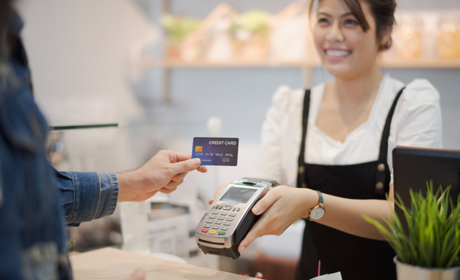
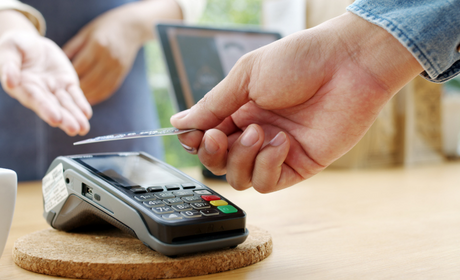
A legitimate travel agency demonstrates professionalism through secure, traceable payment practices and transparent policies. - Secure payment methods: Reputable companies accept verifiable payment methods, such as credit cards or established online payment gateways, creating a transaction record that protects you in case of disputes. Avoid agencies that pressure you into cash payments, transfers to personal accounts, or cryptocurrency.
- Transparent pricing: All fees, commissions, and charges should be disclosed upfront in a clear breakdown.
- Clear terms and conditions: Demand written policies for bookings, cancellations, and refunds. These documents should clearly explain what happens if flights, hotels, or tours are changed or interrupted.
Red Flags to Watch Out For
Even after verifying credentials, some agencies display warning signs that suggest potential risk:
- Frequent last-minute changes - Unnecessary or abrupt changes to itineraries, flights, or hotel bookings without clear reasons.
- Unclear communication - Inconsistent or unreliable communication channels and extremely slow response times.
- Pressure tactics - Any pressure to make quick decisions or immediate, non-refundable payments.
- Lack of proof of partnerships - Inability or refusal to show proof of confirmed bookings or partnerships with hotels, airlines, or local tour operators.
- Negative feedback patterns - Consistent negative reviews, especially those focused on difficulty securing refunds or handling cancellations.
- Overly complex contracts - Confusing contract terms, filled with excessive jargon, or designed to obscure critical details.
- "Too-good-to-be-true" deals - Packages priced far below the current market rate, which often indicate hidden costs or non-existent services.
Paying attention to these behaviors helps you avoid scams or unreliable service.
Spot Legit Agencies Before You Book
Confirming an agency’s government registration, membership in industry associations, secure payment processes, and reliable service history reduces the risk of scams or fraud. These essential steps ensure that your bookings, payments, and itineraries are handled responsibly and professionally.
For added protection when paying for tours, flights, or hotel bundles, RCBC Credit Cards offer secure transactions, clear spending management tools, and reliable customer support. Use the system to manage your travel payments efficiently and plan your trips with greater confidence.
Frequently Asked Questions
Check its government accreditation, SEC/DTI registration, and association memberships. Request copies of documents and confirm them through official directories to ensure the agency is operating legally and transparently.
Credit cards and reputable payment gateways provide a record of transactions and buyer protection. They are safer than cash, informal transfers, or direct deposits to personal accounts.
Be cautious of unrealistic prices, vague policies, unverified payment channels, inactive social media pages, and repeated customer complaints. These often signal a potentially risky or illegitimate agency.
Read cancellation, rebooking, and refund terms carefully. Ensure the agency provides written documentation before any payment, and avoid companies that refuse to give precise contractual details.
Ask friends or relatives who recently traveled. You can also check Philippine travel forums, verified social media communities, and groups where members share updated reviews and reliable agency suggestions.












.png)
.png)





.jpg)
.jpg)
.jpg)

.jpg)

.jpg)


.jpg)
 (1).jpg)
 (1).jpg)
 (1).jpg)

.jpg)
 (1).jpg)
 (2) (1).jpg)
 (2) (1).jpg)
.jpg)
 (1).jpg)
 (1).jpg)
 (1).jpg)
 (1).jpg)


.jpg)
.jpg)
.jpg)
.jpg)
.jpg)
.jpg)

.jpg)
.jpg)
.jpg)
.jpg)
.jpg)
.jpg)

.jpg)
 (1).jpg)

.jpg)

.jpg)
.jpg)
.jpg)
.jpg)
.jpg)
.jpg)