The Dangers of Credit Card Skimming: How to Protect Yourself from Fraud and Unauthorized Charges
 5 mins. read


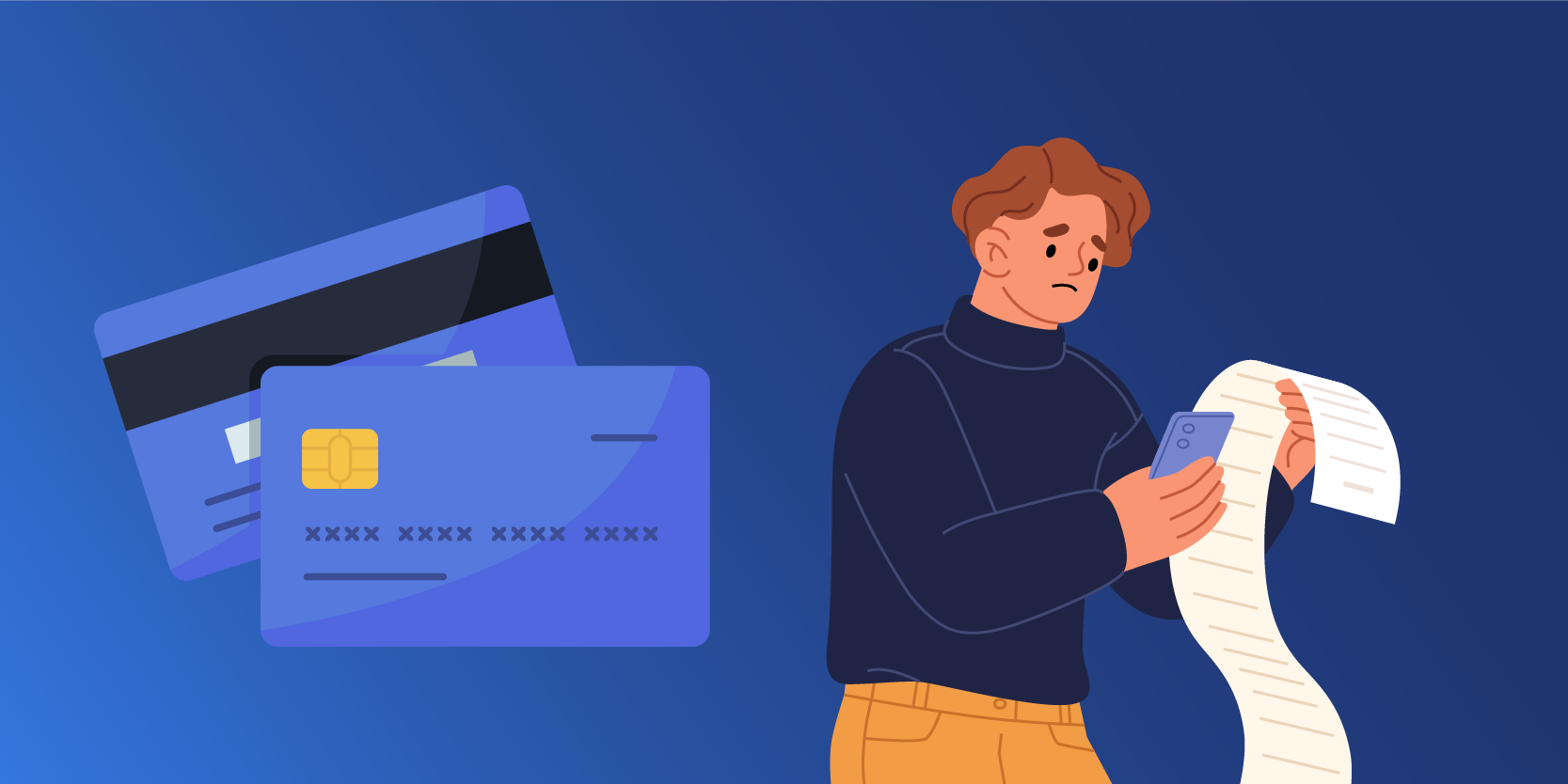
| Credit card skimming is an illegal technique where criminals install hidden devices on terminals to steal your card data and create unauthorized clones of your account. |
|
Credit card fraud is an increasing concern for cardholders in the Philippines. Among the various threats, skimming can quietly compromise your account if you're not careful. That's why staying alert matters if you want to protect your money.
In this article, you'll learn what credit card skimming is and how to protect yourself from unauthorized charges. Knowing how these silent predators operate can help you control your financial security and keep your hard-earned money exactly where it belongs—in your pocket.
What is Credit Card Fraud Skimming?
Credit card fraud skimming occurs when criminals attach a physical device, known as a "skimmer," to a legitimate card reader—such as an ATM or a point-of-sale terminal—to capture your card's magnetic stripe data and PIN. Once they harvest your sensitive information, they can create counterfeit cards or perform unauthorized online transactions, often before you even know your details are stolen.
This operation typically involves two main components: the skimmer itself and a way to capture your PIN. The skimmer is a small, often 3D-printed overlay that fits perfectly over the existing card slot. As you slide your card in, the device reads the magnetic stripe. To get your PIN, criminals might install a tiny "pinhole" camera hidden in a nearby light fixture or attach a fake "pin pad" overlay that records your keystrokes.
A newer threat called e-skimming, or shimming, uses a paper-thin device hidden inside chip card readers. It's much harder to spot than older skimmers and can steal your card details without any visible signs.
These methods allow criminals to operate remotely; they often return to the terminal later to download the stolen data via Bluetooth or receive it directly on their phones in real-time. Because the machine continues to function normally, victims usually don't notice anything is wrong until they see suspicious charges on their monthly statements.
10 Ways to Prevent Credit Card Skimming
Stopping fraudsters requires a mix of physical inspection and digital hygiene. While technology continues to evolve, being proactive at the moment of payment is your best line of defense against credit card fraud skimming in the Philippines.
- Inspect the terminal for tampering
Before inserting your card, you should always give the card reader a quick visual check. Look for anything that seems "off," such as mismatched colors, bulky attachments, or parts that look like they were glued on. You should even give the card slot a gentle wiggle; a legitimate card reader is part of the machine and should not move or feel loose. - Use bank branch ATMs
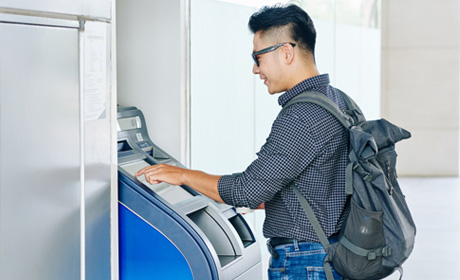
Whenever possible, use ATMs inside a bank branch or in a well-lit, highly monitored lobby. Criminals are far less likely to install credit card skimming devices on machines that are under constant security surveillance or guarded by bank personnel. Avoid using "standalone" ATMs in dark corners or isolated areas where a thief can easily tamper with the hardware unnoticed. - Prefer chip over swipe
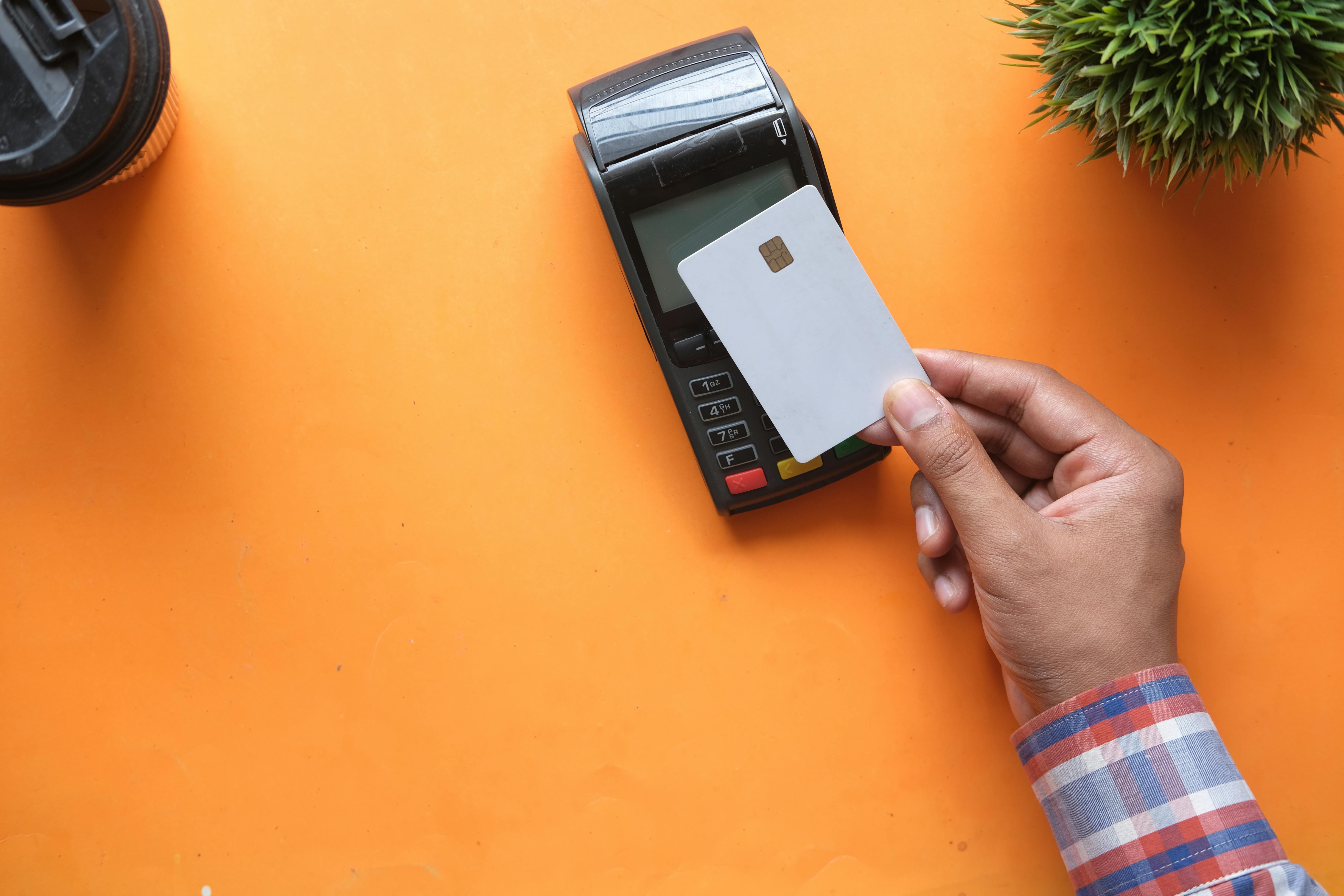
You should always choose the "dip" or chip insertion method over the traditional "swipe" whenever a terminal allows it. The magnetic stripe on the back of your card contains static data that is easy to copy, while the EMV chip creates a unique, one-time code for every transaction. This way, it's significantly more difficult for a skimmer to replicate your card for future fraudulent use. - Use contactless payments
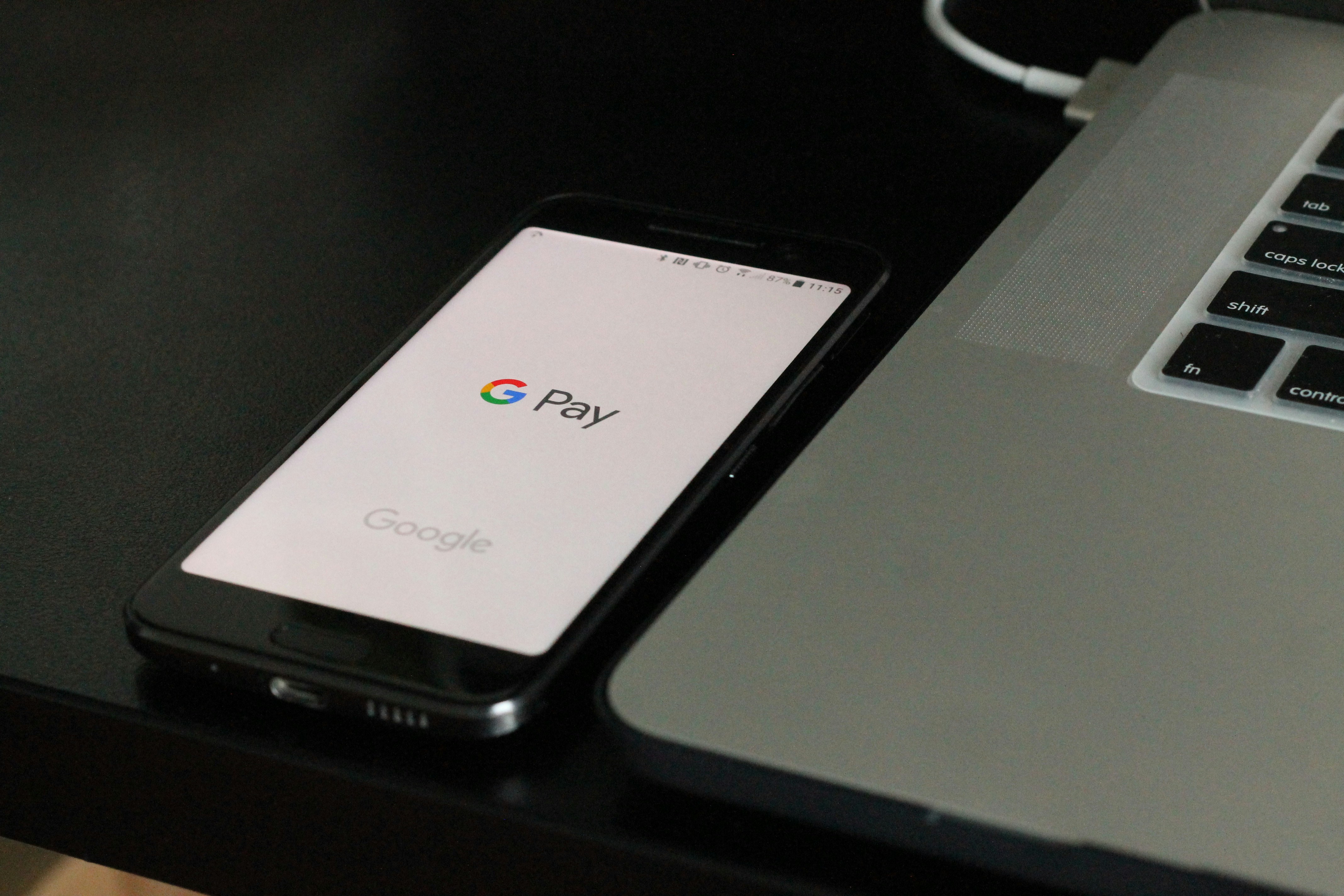
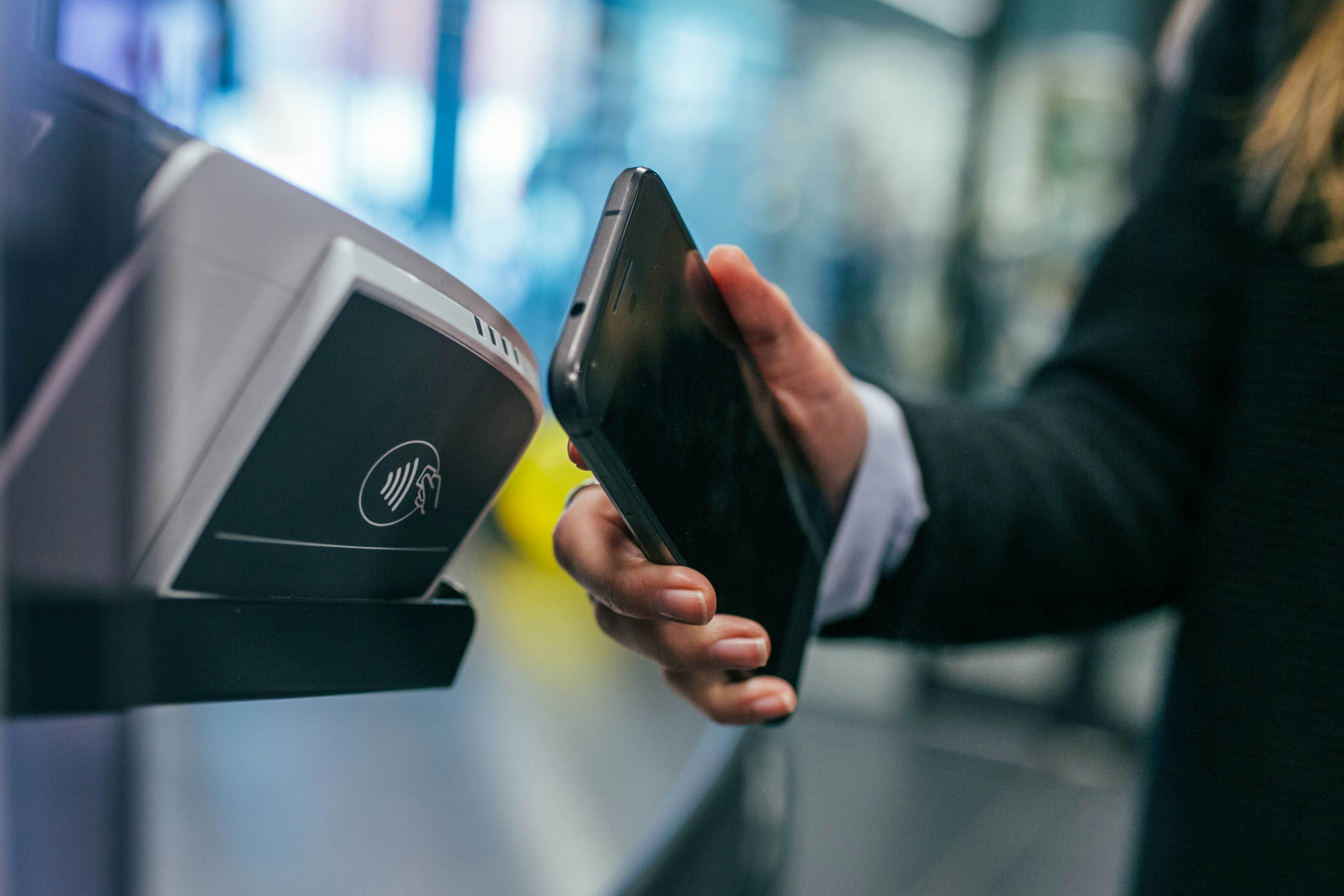
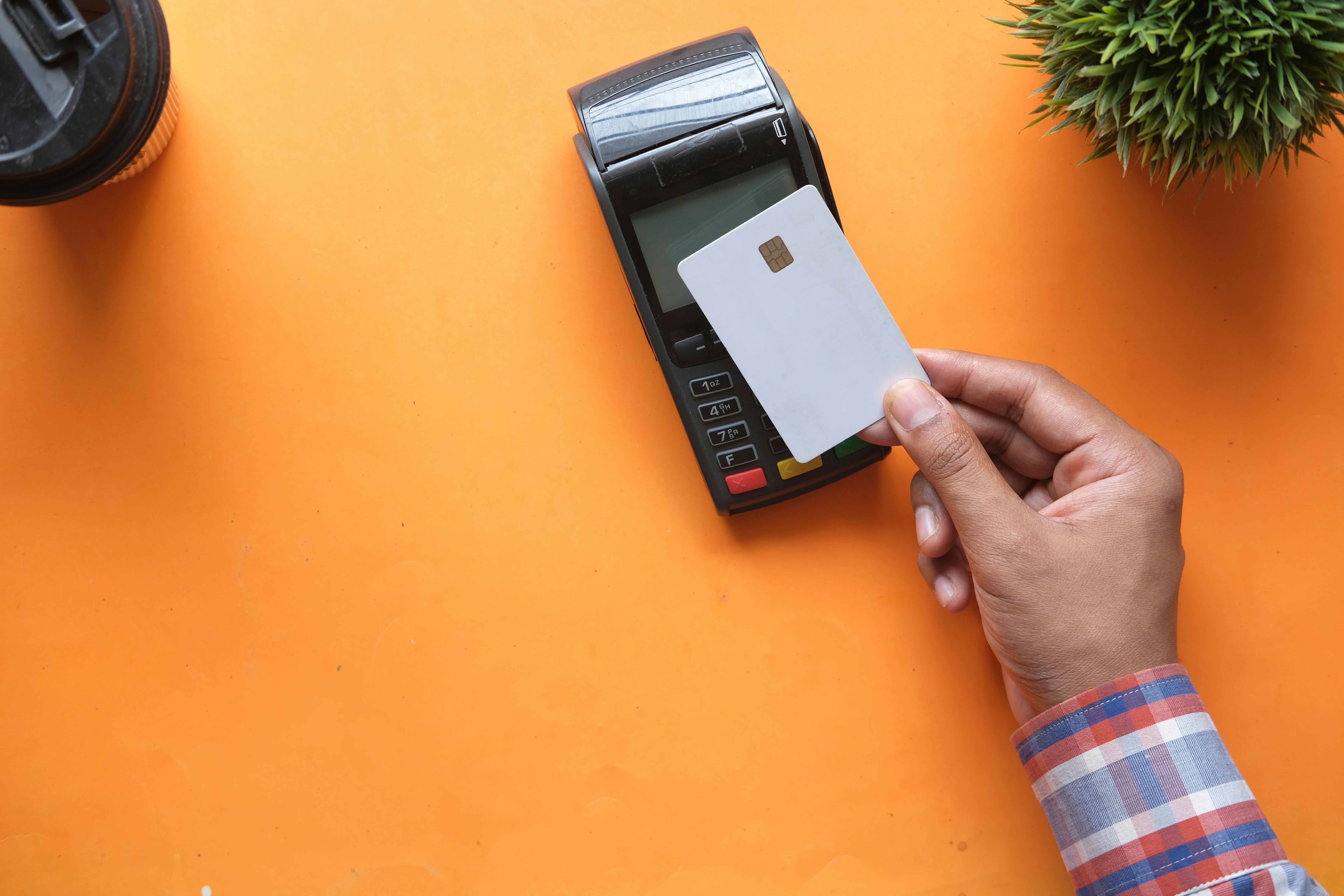
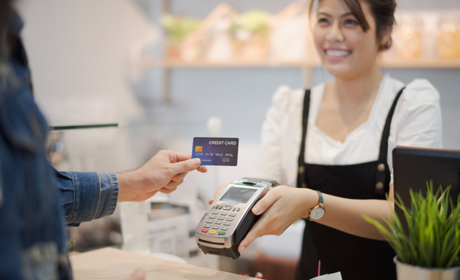
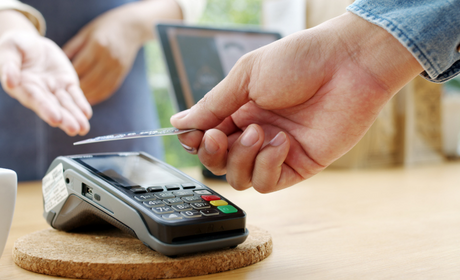
Contactless or "tap-to-pay" methods are among the most secure ways to pay in 2026. Because your card never actually enters the machine, physical skimmers can't read the magnetic stripe or interfere with the chip. Using mobile wallets like Apple Pay or Google Pay adds an extra layer of security because they use tokenization, meaning your actual card number is never even shared with the merchant. - Shield your PIN entry
Even if a criminal successfully skims your card data, they can't withdraw cash from an ATM without your PIN. You should always use your free hand to cover the keypad while you type your code. This simple habit blocks the view of any hidden "pinhole" cameras or onlookers who might try to record your entry from a distance. - Avoid public Wi-Fi when banking
You should never log into your banking apps or enter credit card details while connected to a public Wi-Fi network. Hackers can use "man-in-the-middle" attacks to intercept your data as it travels through the air. Always use your phone's cellular data or a trusted VPN if you need to check your account or make a payment while on the go. - Enable real-time transaction alerts
Most modern banks in the Philippines offer real-time push notifications through their mobile apps. Enable these alerts to receive a message the second a purchase is made. If you receive an alert for a transaction you didn't authorize, you can take action immediately so you don't discover the fraud weeks later on your statement. - Limit cash advances and ATM use
Cash advances often carry high fees and immediate interest, but they're also high-risk targets for skimming. You should minimize how often you use your credit card at an ATM. If you need cash, it's safer to use a debit card at a trusted bank machine to insulate your credit line from potential physical theft at high-traffic terminals. - Monitor small test charges
Fraudsters often start with a very small "test" charge of just a few pesos to see if a stolen card is active and if the owner notices. You should review your transaction history frequently for these tiny, unfamiliar amounts. Catching a small charge early can prevent the criminal from making a much larger, more damaging purchase later. - Lock or block your card immediately
If you suspect your card has been compromised or if you see a charge you didn't make, you should use your bank's mobile app to lock the card instantly. Most Philippine banking apps now have a "Lock Card" toggle that stops all new transactions. This option buys you time to call the bank and report the fraud without worrying about further unauthorized spending.
Stay One Step Ahead of Skimming Fraud
Dealing with credit card skimming can be a headache but staying one step ahead of the technology criminals use ensures your peace of mind. Take note of the practices mentioned in this blog to avoid losses and reinforce control over your financial life.
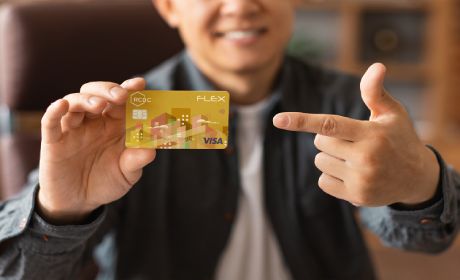
For an added layer of security and ease of account management, consider RCBC Credit Cards. Through the RCBC Pulz mobile app and online banking, you can monitor transactions in real time, receive alerts for unusual activity, and quickly report suspected fraud.
Enhanced digital tools and secure payment options help you stay ahead of potential threats while managing your credit responsibly. Take proactive steps to safeguard your financial well-being with reliable tools and support from RCBC Credit.
Contact us today to learn more.









.png)
.png)





.jpg)
.jpg)
.jpg)

.jpg)

.jpg)



.jpg)
 (1).jpg)
 (1).jpg)
 (1).jpg)

.jpg)
 (1).jpg)
 (2) (1).jpg)
 (2) (1).jpg)
.jpg)
 (1).jpg)
 (1).jpg)
 (1).jpg)
 (1).jpg)


.jpg)
.jpg)
.jpg)
.jpg)

.jpg)
.jpg)

.jpg)
.jpg)
.jpg)
.jpg)
.jpg)
.jpg)

.jpg)
 (1).jpg)

.jpg)
.jpg)
.jpg)
.jpg)
.jpg)
.jpg)
.jpg)



.jpg)