How to Use Credit Cards to Better Handle Inflation in the Philippines
 5 mins. read



| Inflation in the Philippines makes every purchase more expensive, but credit cards help by offering cashbacks and interest-free installments that lower your monthly expenses. |
|
While most see credit cards as additional debt, savvy consumers are flipping the script by using them as tools to blunt the impact of rising prices. By leveraging rewards, cashbacks, and interest-free installment plans, you can effectively "discount" your essential spending and keep your budget from spiraling out of control.
This guide explores how to transform your credit card from a simple payment.
How Credit Cards Can Help Combat the Inflation Issue in the Philippines
Managing the inflation issue in the Philippines requires a shift in how we manage monthly outflows. When the value of cash drops, using credit strategically lets you use the bank's money to cover your needs while keeping your savings intact.
- Earn cashbacks on daily essentials
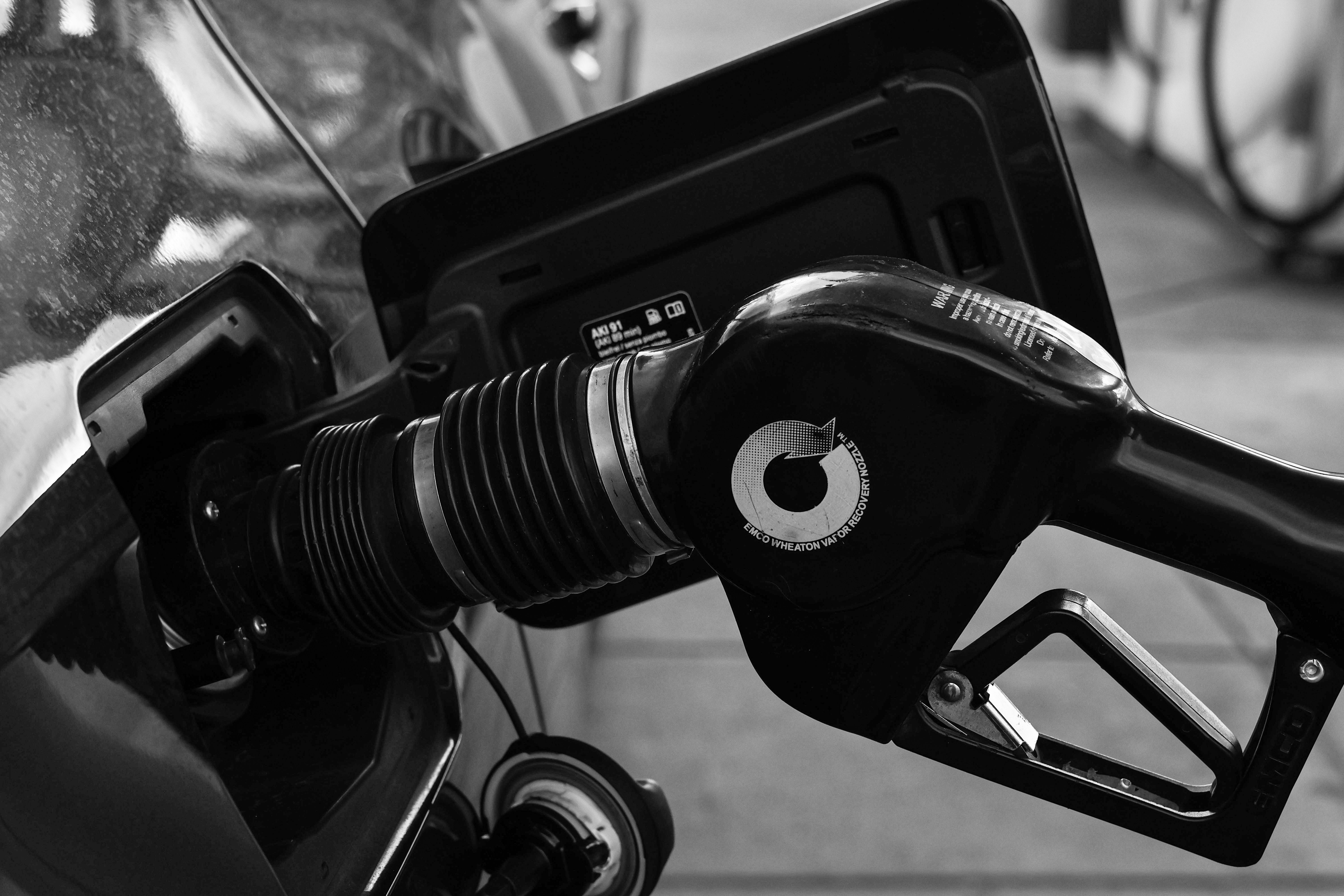
Many local banks offer cards specifically designed for grocery stores and gasoline stations. Pay with a cashback card to get a rebate of up to 5% on your total bill. This creates a personalized discount on items like rice, milk, and fuel, which are often hit the hardest by price hikes.
Over a year, these small returns accumulate into thousands of pesos in savings that help offset the rising cost of commodities - Utilize interest-free installment plans
When an appliance breaks or a tuition bill is due, paying the full amount in cash can deplete your emergency fund during an unstable economy.
Credit cards often offer 0% interest installments for three to 12 months, so you can retain your liquidity. You get to keep your cash in a high-interest savings account while paying off the purchase in small, manageable chunks. It prevents the financial shock of a massive one-time expense when you need to keep cash on hand. - Lock in current prices with deferred payments
Prices for electronics and furniture often rise month after month during periods of high inflation. Use a credit card to purchase an item today and pay it off over time to freeze the price at today's rate. This is a powerful way to beat upcoming price increases on necessary household goods. - Leverage non-expiring reward points
Unlike cash, which loses purchasing power as inflation rates in the Philippines rise, reward points often retain a fixed redemption value for specific goods or services. Many cards now offer points that never expire, which you can bank for years as a secondary reserve.
You can redeem these for airline miles, gift certificates, or even to pay off your credit card balance. This creates a secondary currency shielded from the immediate devaluing effects of the local market. - Benefit from exclusive bank promotions
Credit card holders frequently receive access to "Buy 1, Get 1" deals or significant percentages off at restaurants and retail stores. Banks partner with merchants to drive spending, and these promos can often slash 30%–50 % off a bill instantly. These exclusive offers make dining out or shopping for clothes more affordable despite the rising costs of raw materials. - Save with low foreign exchange conversion fees
If you shop on international websites or travel abroad, the exchange rate is a major hidden cost, especially during economic shifts. Some premium credit cards offer lower foreign transaction fees compared to standard debit cards or money changers. You get the best possible conversion rate when buying goods priced in dollars or other currencies.
It protects you from the volatility of the local currency market during uncertain economic times, where every cent counts. - Maintain a clear record of expenditures
Fighting inflation requires strict budgeting, and credit card apps provide an automated ledger of every cent spent. You can categorize your spending to see exactly where your money is going each month, whether it is on utilities, food, or entertainment.
This data helps you identify which areas are experiencing the largest price jumps so that you can adjust your household habits accordingly. Digital tracking is far more accurate than manually collecting and calculating paper receipts in a high-stress environment. - Stack seasonal spending promotions
Beyond everyday rebate cards, issuers launch seasonal campaigns to incentivize spending during high-inflation periods. Many cards offer structured promotions that allow you to maximize returns by stacking distinct spending tracks across categories like local retail, hotels, and overseas spending.
A prime example is the RCBC Spend Anywhere, which lets cardholders stack multiple tracks simultaneously. Through strategic routing, you can earn up to ₱5,000 cashback on local straight spending, ₱5,000 on domestic hotel bookings, and up to ₱12,000 on foreign-currency transactions—accumulating up to ₱27,000 in total stacked cashback per card. - Access emergency liquidity via cash conversion features
When inflation triggers unexpected cash-only emergencies, breaking your high-yield investments hurts your financial growth. Instead of resorting to high-interest personal loans, you can use a card's credit-to-cash feature to convert your unused credit limit into liquid funds sent straight to your bank account.
Features like RCBC InstaCash allow pre-qualified cardholders to convert a minimum of ₱10,000 up to 90% of their available credit limit into cash. The funds can be disbursed to any local bank account with flexible installment repayment terms ranging from 3 to 60 months to keep cash flow manageable. - Consolidate and automate utility bills
Fluctuating utility rates make manual budget tracking exhausting. Enrolling your bills in an automated credit card billing facility prevents missed deadlines and centralizes your expenses into a single statement. This allows you to keep cash in your high-interest bank account longer until the due date.
You can streamline this using automated payment features like RCBC Fast BillsPay. Cardholders can choose between "Auto-Charge" for recurring utilities or "On-Demand" app payments. Enrolling turns necessary overhead into an asset, earning you 1 rewards point for every ₱250 spent or a 0.10% cash rebate.
Credit Cards as a Financial Buffer—Not a Burden
Beating inflation isn't about spending less; it’s about spending smarter. As we move through 2026, the ability to defer payments without interest and earn value back on every peso spent is a financial advantage. The right financial partner can be your greatest asset. RCBC Credit Cards offer specialized features tailored to this economic climate.
With the RCBC Pulz app, you can use the Unli 0% feature to convert any straight purchase into a three-month installment plan at no extra cost. This gives you the breathing room when prices spike. Additionally, cards like the RCBC Flex Visa allow you to choose your own rewards categories, such as groceries or gas. This ensures you earn double points where inflation hits hardest.
Don't let rising costs dictate your lifestyle. Visit the RCBC Credit website today to find a card that helps you fight back against inflation and take total control of your financial future.















.png)
.png)






.jpg)
.jpg)
.jpg)

.jpg)
.jpg)



.jpg)
 (1).jpg)
 (1).jpg)
 (1).jpg)

.jpg)
 (1).jpg)
 (2) (1).jpg)
 (2) (1).jpg)
.jpg)
 (1).jpg)
 (1).jpg)
 (1).jpg)
 (1).jpg)


.jpg)
.jpg)
.jpg)
.jpg)
.jpg)
.jpg)


.jpg)
.jpg)
.jpg)
.jpg)
.jpg)
.jpg)


.jpg)
 (1).jpg)

.jpg)

.jpg)
.jpg)
.jpg)
.jpg)
.jpg)
.jpg)



.jpg)