How to Secure a Japan Visa in the Philippines: A Complete Guide to Requirements, Fees, and Processing
 5 min. read


| Getting a Japan visa in the Philippines is easier than most travelers think, as long as you apply through an accredited agency and prepare the correct documents. |
|
Securing a Japan visa from the Philippines is your first step toward an unforgettable journey filled with culture, cuisine, and adventure.
However, the process can seem intimidating without the proper guidance. This comprehensive guide breaks down the visa types, requirements, fees, and tips to help you apply with confidence.
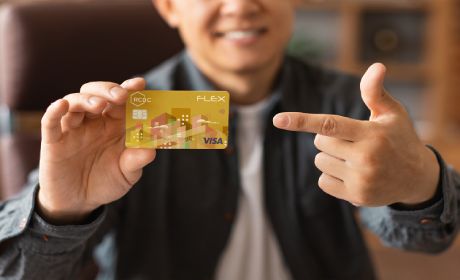
If you’re an RCBC JCB Credit Cardholder, you can even enjoy special perks like a multi-entry visa discount and travel rewards for your Japan trip.
Types of Japan Visas Filipino Travelers Can Avail For
Before anything else, determine which visa suits your purpose. Japan offers several types of visas for Filipinos, each with its own requirements and eligibility criteria.
- Tourist/Short-Term Visa
This visa is for those entering the country for non-immigrant purposes, primarily for sightseeing, visiting friends or relatives, or short-term vacations.
Detail Typical Terms Purpose Tourism, visiting friends, visiting relatives (up to 90 days). Processing Time Standard processing is typically five working days (from the day after submission), but can take longer if additional checks or documentation are required. Validity of Stay Maximum authorized stay is 90 days (granted by the Japanese Embassy, though the time given can be 15, 30, or 90 days depending on the itinerary).
The application must be filed by a Filipino national through the Japan Visa Application Center (JVAC) or accredited travel agencies in the Philippines. - Business Visa
This visa is for those traveling to Japan specifically for business meetings, conferences, training, or company visits.
Detail Requirement Purpose Business activities that do not involve receiving remuneration (payment) in Japan. Key Requirement An official invitation letter and guarantor documents from your Japanese host company or counterpart are required.
The processing time and validity are the same as the standard Temporary Visitor Visa (typically five working days processing, with a maximum stay of 90 days). - Transit Visa
This visa is specifically for travelers who are passing through Japan en route to another country.
Detail Requirement Purpose Allowing a traveler to make a brief stopover in Japan while traveling to a final destination. Best For Essential for layovers that are longer than 24 hours and require the traveler to leave the international transit area (ex., to stay at a hotel).
The processing time is typically the same as the Temporary Visitor Visa (5 working days), and the authorized stay for transit is usually 15 days. - Student Visa
This visa is required for those who have been formally accepted into a Japanese school, university, or language institution and plan to stay for an extended period.
Detail Requirement Purpose To reside in Japan for full-time study. Key Requirement Applicants must present a Certificate of Eligibility (COE) issued by the Japanese immigration authorities, along with the admission letter and proof of tuition payment.
The COE is the most critical document and takes the longest time to process, often requiring several months before the visa application can even be submitted. - Work Visa
This visa is for Filipino nationals who have secured a job offer from an employer in Japan and are planning to engage in remunerated activities (work) for an extended period.
Detail Requirement Purpose To reside and work in Japan under a specific status of residence (ex., Engineer, Specialist in Humanities, Skilled Labor). Key Requirement Requires a COE, which your Japanese employer or sponsor must secure before you apply for the visa.
The COE, issued by the Japanese Immigration Services Agency, is the essential step before applying for the actual visa sticker at the Embassy. - Cultural or Training Visa
This visa is for individuals participating in unpaid cultural exchange programs or structured technical intern training programs that are sponsored by a Japanese entity.
Detail Requirement Purpose To engage in short-term cultural study, martial arts training, or technical skill acquisition without being paid as a regular employee. Key Requirement A COE is required, which is submitted by the Japanese organization sponsoring the exchange or training program.
The COE is the mandatory first step and ensures that the purpose of your stay is legitimate and approved by Japanese immigration. - Spouse or Dependent Visa
This visa is for family members of Japanese citizens or foreign residents who hold long-term visas (ex., Work or Student Visas) and wish to reside with their sponsor in Japan.
Detail Requirement Purpose To reside in Japan as the spouse or dependent child of a resident or citizen. Key Requirement Requires a COE, along with valid marriage or birth certificates and residence documents of the sponsor to prove the relationship and financial support.
The COE is applied for by the family member residing in Japan and is essential for this visa category.
List of Requirements to Get a Japan Visa in the Philippines
The Japanese Embassy does not accept walk-in applications. You must apply through an accredited travel agency. Fees typically range from ₱1,200 to ₱2,000, depending on the visa type. Here’s what you’ll need to prepare:
- Valid Philippine Passport - Must be valid for at least six (6) months beyond your intended stay.
- Completed Visa Application Form - Downloadable from the Embassy of Japan website. Print on A4 paper.
- Recent Passport-Sized Photos - Two (2) copies, 2×2 inches, white background, taken within six months.
- Proof of Travel Itinerary - Confirmed round-trip flights and hotel bookings.
- Proof of Financial Capacity - Submit bank statements for the last 3–6 months, payslips, and Income Tax Return (ITR).
- Employment or Student Documents
- Employed: Certificate of Employment, approved leave, recent payslips
- Self-employed: Business registration, latest ITR
- Student: Enrollment certificate or valid student ID
- Invitation Letter and Guarantor Documents (if applicable) - Required for visits to relatives or business meetings.
- Travel Insurance (if required) - Some visa categories or travel agencies may ask for this.
- Additional Documents per Visa Type:
- Work Visa: Employment contract and COE from the employer
- Student Visa: Admission letter and tuition proof
- Spouse/Dependent Visa: PSA marriage or birth certificates
- Any Additional Documents Requested by the Embassy or Agency.
Keep all documents on A4-sized paper and ensure consistency across details (name, address, dates).
Tips to Make Applying for a Japan Visa in the Philippines Worry-Free
Applying for a Japan visa doesn’t have to be stressful. Here’s how to improve your chances of approval and avoid common errors.
Document preparation tips
Before submitting your passport application, ensure you sign the passport, as an unsigned one is often considered invalid.
All submitted documents must be printed on A4 paper. If the originals are different sizes, resize and copy them onto A4. Submit recent PSA documents, such as Birth or Marriage Certificates issued within the last year.
In the application form, mark all non-applicable fields as "N/A" instead of leaving them blank to prevent delays or rejection.
Timing and accuracy
Apply at least one month before your intended trip to allow enough time for standard processing and to accommodate any potential delays or requests for additional documents.
Make sure all dates and details are consistent across every document you submit for your Japan visa application in the Philippines, including your form, itinerary, flight reservations, and financial statements. You must also select the correct visa type that accurately reflects your travel purpose and duration to avoid rejection.
Financial proof and credibility
To support your visa application, show a consistent and sufficient financial history that clearly demonstrates your ability to fund the entire trip, beyond just the minimum amount.
Include bank certificates with recent, detailed transactions, as bank certificates alone are usually insufficient. Supplementary bank statements help verify active use and financial flow. Avoid making sudden, large deposits shortly before applying, as this might raise suspicions and prompt visa officers to question the source of funds.
For group or family applications
For group or family visa applications, it’s best to submit a comprehensive list of all applicants along with your primary documents. Additionally, you should provide supporting proof of relationship for every member you are inviting or traveling with, such as official PSA-issued marriage or birth certificates, to clearly establish the familial connection.
RCBC Travel Tip: Use your RCBC JCB Credit Card when booking your flights and hotels. It simplifies your payments and offers exclusive travel discounts and a multi-entry visa perk for frequent Japan travelers.
Tips to Make Applying for a Japan Visa in the Philippines Worry-Free
Securing a Japan visa from the Philippines might seem meticulous, but with proper preparation and attention to detail, the process is entirely manageable.
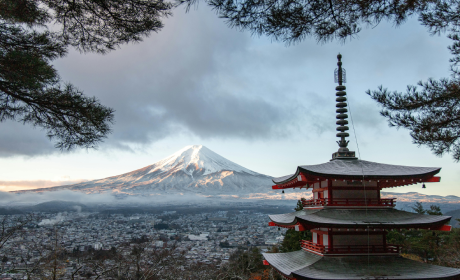
By following the necessary steps and avoiding common documentation pitfalls, you’ll soon be ready to explore Japan's ancient temples, vibrant cherry blossoms, and incredible food scene with ease.
Make your journey even more rewarding with an RCBC Credit Card. From booking flights and accommodations to enjoying secure transactions and shopping abroad, your card provides valuable travel perks and exclusive Japan offers — especially with the RCBC JCB Platinum Credit Card, the perfect companion for your Japan travels.
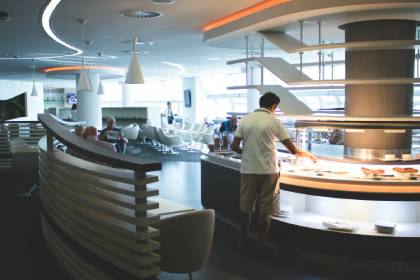
Earn higher Rewards Points, enjoy unique dining and shopping deals, access JCB Plaza Lounges in Japan, and get complimentary LoungeKey™ access at select airports worldwide. You’ll also receive complimentary travel insurance of up to ₱1,000,000 when you charge your trip to your card.
Apply for your RCBC Credit Card today and take the first step toward a more rewarding Japan adventure.
Frequently Asked Questions
Filipinos can apply for tourist, business, student, work, cultural, spouse, or dependent visas, depending on their travel purpose. Most short-term visitors apply for a tourist visa.
You’ll need a valid passport, a completed visa application form, a recent photo, a travel itinerary, and proof of financial capacity (like bank statements or income documents). Additional requirements may apply depending on your visa type.
There’s no fixed minimum, but your savings should reasonably cover your trip costs. The Embassy values a stable account history over a single large deposit.
Visa processing usually takes five to seven working days after you submit your documents through an accredited travel agency. It may take longer during peak travel months or if additional verification is required.
Avoid incomplete forms, inconsistent details, or outdated PSA documents. Make sure all information matches across your papers, and always double-check before submitting to prevent delays or rejection.











.png)
.png)








.jpg)
.jpg)
.jpg)

.jpg)

.jpg)



.jpg)
 (1).jpg)
 (1).jpg)
 (1).jpg)

.jpg)
 (1).jpg)
 (2) (1).jpg)
 (2) (1).jpg)
.jpg)
 (1).jpg)
 (1).jpg)
 (1).jpg)
 (1).jpg)

.jpg)
.jpg)
.jpg)
.jpg)

.jpg)
.jpg)

.jpg)
.jpg)
.jpg)
.jpg)
.jpg)
.jpg)

.jpg)
 (1).jpg)

.jpg)
.jpg)
.jpg)
.jpg)
.jpg)
.jpg)
.jpg)
.jpg)